In the heart of Bali, Ubud rewards travelers who slow down long enough to actually taste the place, and Japanese food Ubud offers exactly that kind of payoff. The integration of traditional Japanese cuisine into Ubud’s diverse food culture gives locals and visitors alike something worth returning for. In this article, we explore the rich Japanese culinary traditions, seasonal ingredients, and the comfort-driven dining experience available at Raku Raku Yakiniku.
What Makes Japanese Food Different?
One of the defining characteristics of japanese food Ubud diners have come to love is its focus on simplicity and seasonal ingredients. Japanese cuisine emphasizes the natural flavors of each component rather than masking them with heavy sauces. This philosophy allows diners to appreciate subtle tastes, and it’s part of why so many people describe the cuisine as comforting rather than simply flavorful.
Another factor that sets japanese food Ubud restaurants apart is the art of presentation. Each dish is meticulously arranged, turning a plate into a small visual experience. At Raku Raku Yakiniku, this attention to detail is evident in everything from a grilled skewer to a bowl of ramen. If you want a deeper look at how that presentation philosophy works in practice, our Japanese Culinary Presentation Guide breaks it down course by course.
Exploring Japanese Culinary Traditions

Japanese culinary traditions are steeped in history and culture, reflecting the country’s deep respect for food and seasonal ingredients. From grilled yakiniku to a warm bowl of ramen, each dish tells a story of regional technique and comfort. In Ubud, traditional Japanese cuisine isn’t just about the food; it’s about the experience, the presentation, and the connection to the people sharing the table.
Restaurants like Raku Raku Yakiniku emphasize this connection, showcasing dishes that celebrate seasonal ingredients sourced from local markets. The emphasis on freshness and quality is paramount, and this philosophy resonates well within the wider culinary landscape of Ubud. Traditional dishes like karaage and chicken nanban are prepared with the same care as the grill itself, reflecting genuine culinary expertise rather than a shortcut version of japanese food Ubud visitors might expect from a tourist menu. This kind of care is exactly what separates a real japanese food Ubud destination from a menu built purely for convenience.
Seasonal Ingredients in Japanese Cuisine
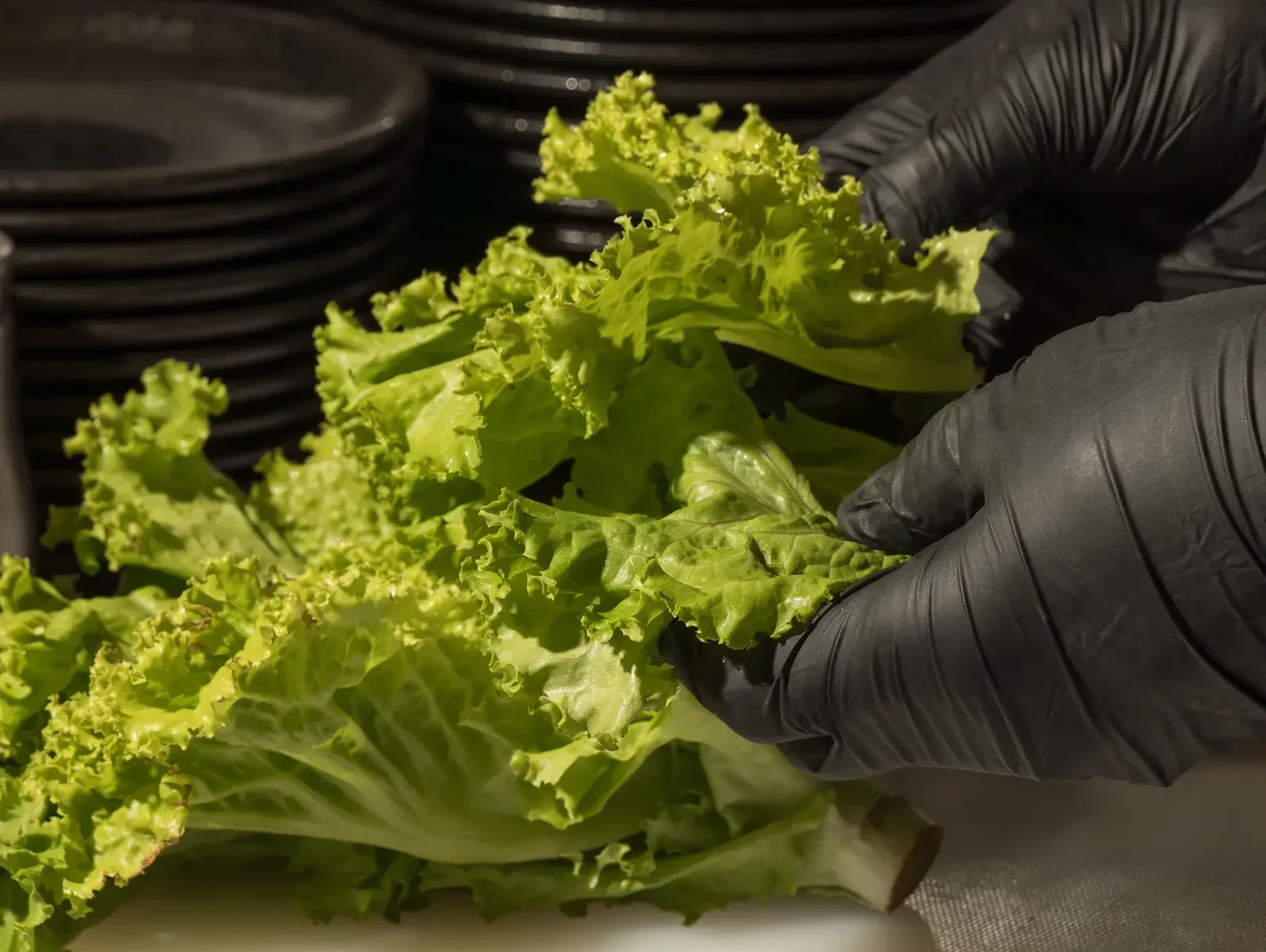
One hallmark of japanese food Ubud kitchens share is a reliance on seasonal ingredients. This practice not only enhances flavor but also connects diners to the rhythm of nature. In Ubud, guests can enjoy dishes that highlight the freshest produce available, making each visit feel a little different from the last.
At Raku Raku Yakiniku, fresh vegetables and herbs are integral to dishes like the chef salad and the various Japanese side dishes on the menu. This not only supports local farmers but also enriches the dining experience by offering flavors that are genuinely at their peak. Seasonal ingredients help create a sense of place, and it’s a big part of why japanese food Ubud visitors try here tends to feel more grounded than the same dish elsewhere.
Cultural Food Exploration in Ubud

Ubud is known for its vibrant food scene, drawing food enthusiasts from around the globe. The blending of different culinary traditions makes for an exciting gastronomic landscape, and japanese food Ubud has found a genuinely welcoming home within it. Few culinary categories have settled into the local scene as naturally as this one.
Timing plays a bigger role in this than most visitors expect. A bowl of ramen at lunch feels different from the same bowl shared over a slower dinner, and the mood of the restaurant shifts accordingly. That shift is part of what makes japanese food Ubud worth planning around rather than squeezing into a rushed stop. If you’re planning your visit around the right moment in the day, our guide on the best time to eat at japanese restaurant in Ubud walks through exactly how lunch and dinner differ at Raku Raku.
Popular Japanese Comfort Food to Try at Raku Raku
When people search for japanese food Ubud, they’re often really searching for something comforting: warm, familiar, and made with care. Raku Raku Yakiniku’s menu is built around exactly that idea, pairing bold grilled flavors with a handful of dishes that feel like a proper japanese comfort food spread.
Yakiniku (Premium Omi Wagyu & Dry Aged Beef)
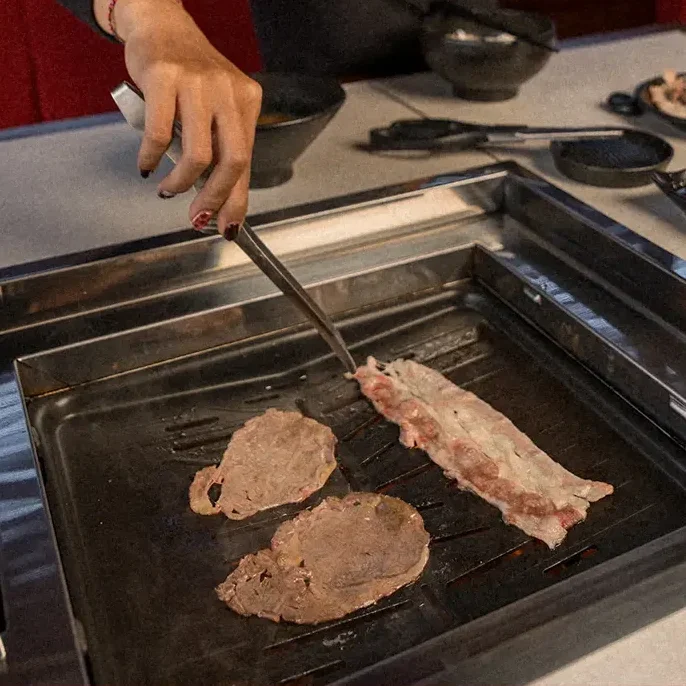
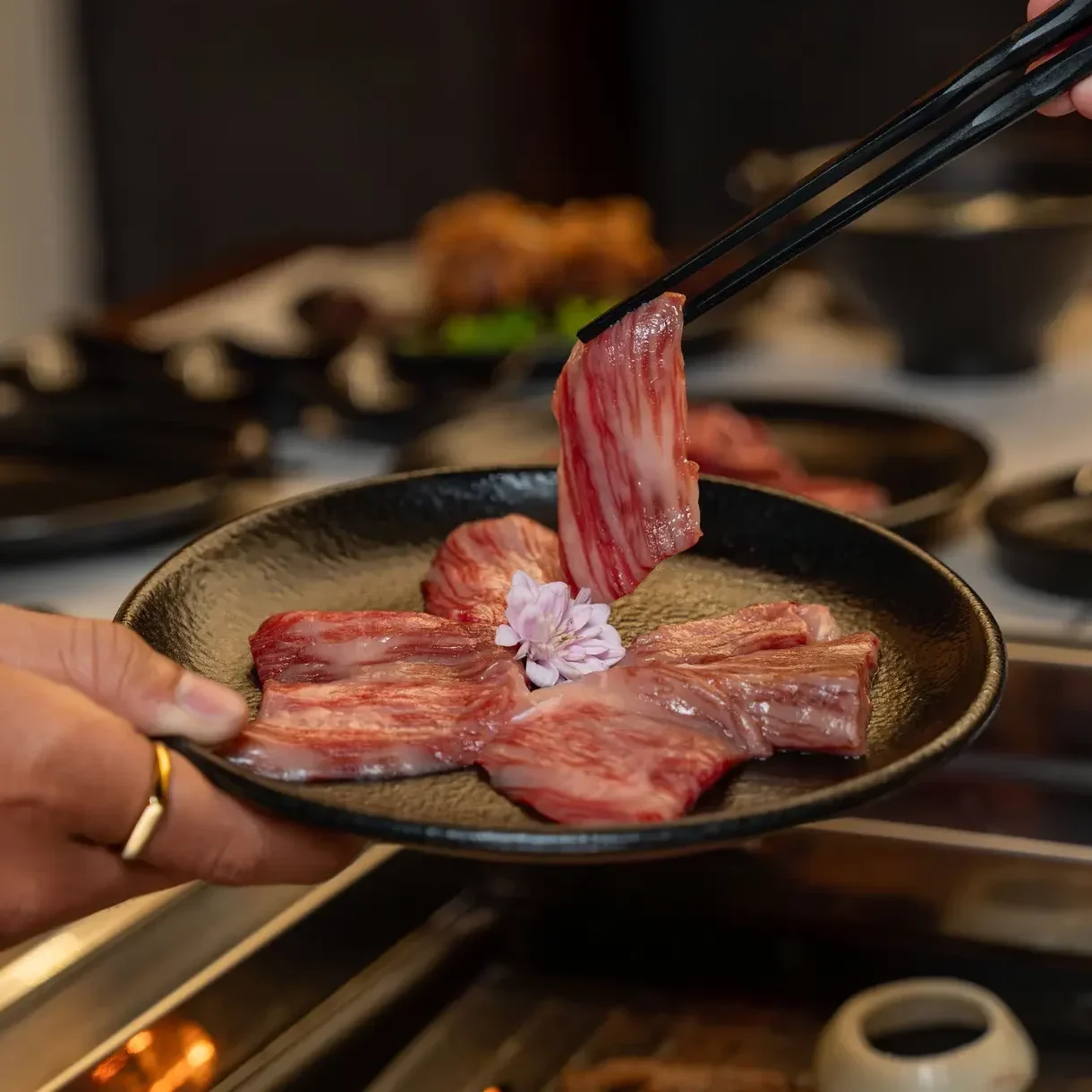
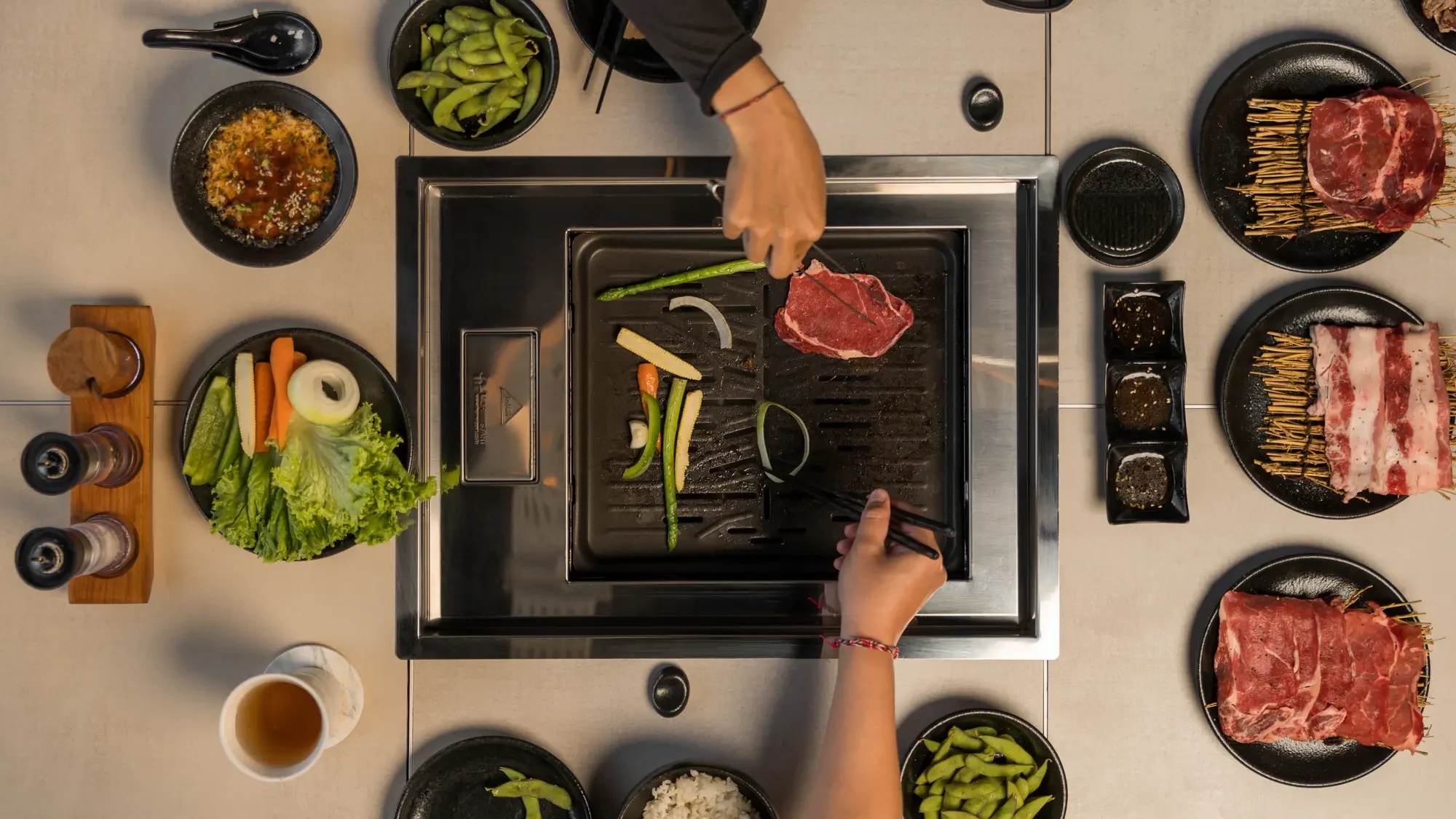
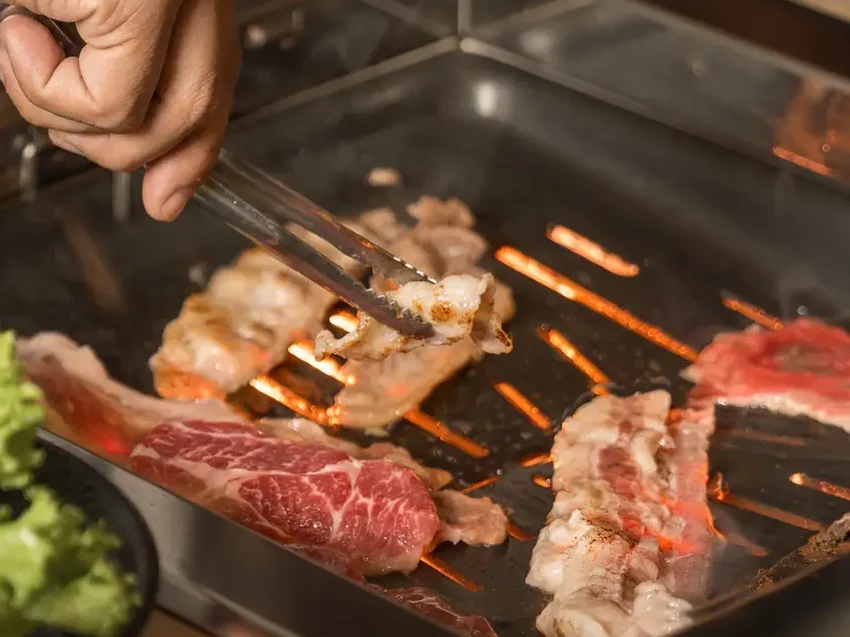
Grilled right at your table, yakiniku is the centerpiece of the Raku Raku menu and the most social dish on it. Guests cook each cut to their own preference, turning dinner into an interactive, shared experience rather than a plate that simply arrives already finished.
Reimen
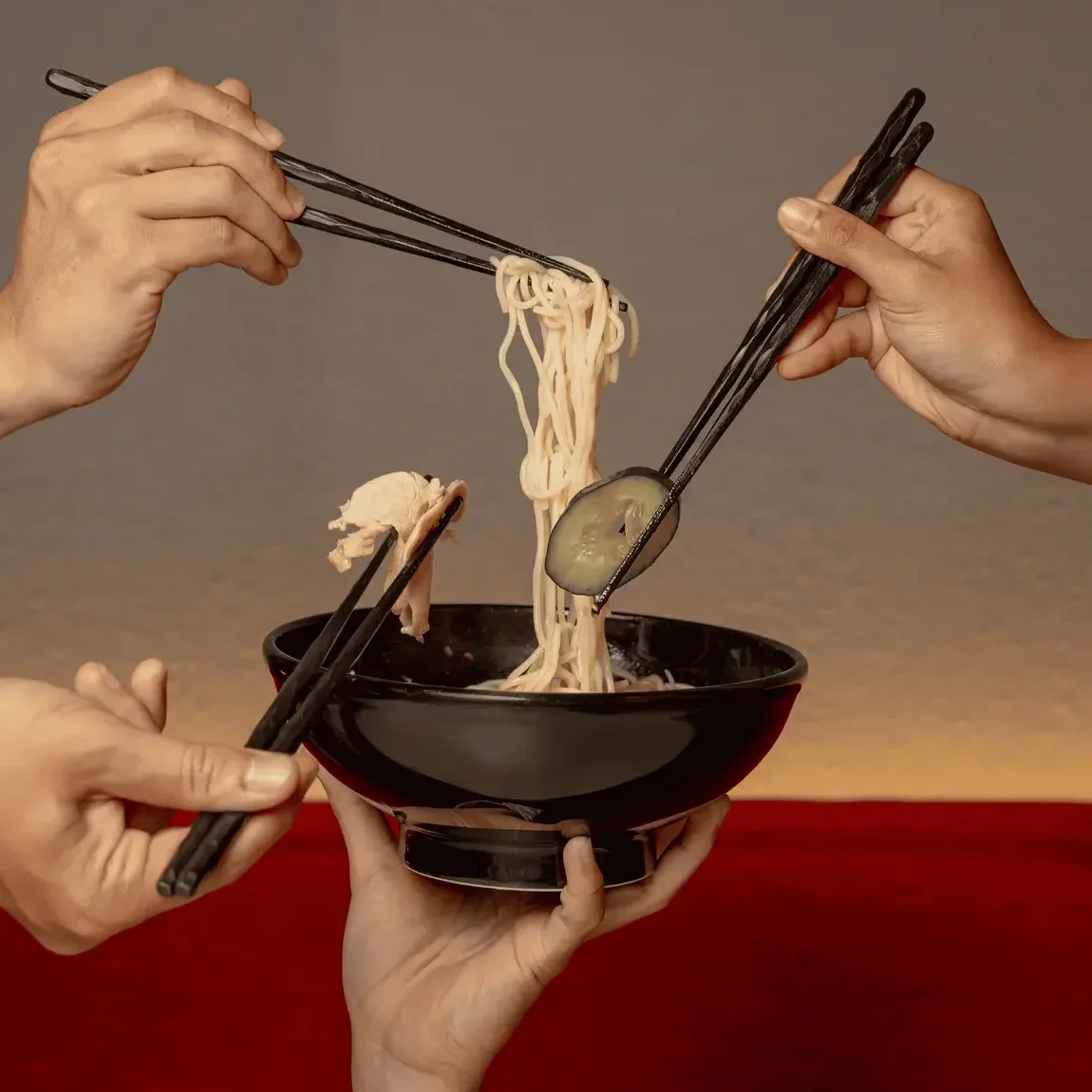

A cold, refreshing bowl offers a welcome contrast to the smoky richness of the grill, especially between rounds of yakiniku. The chilled broth and crisp noodles work like a palate cleanser, keeping the meal feeling light even after several plates of grilled meat.
Karaage & Chicken Nanban
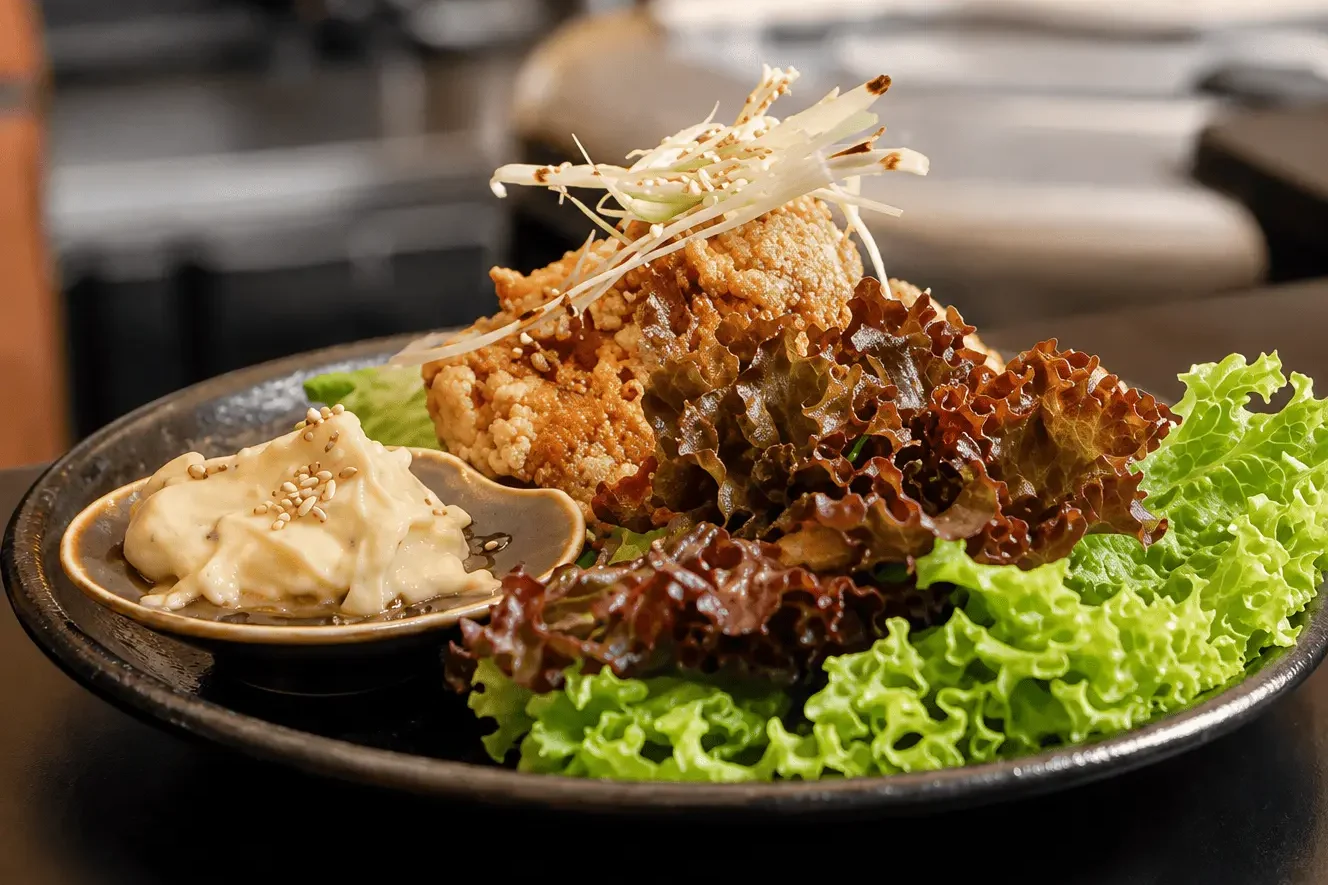
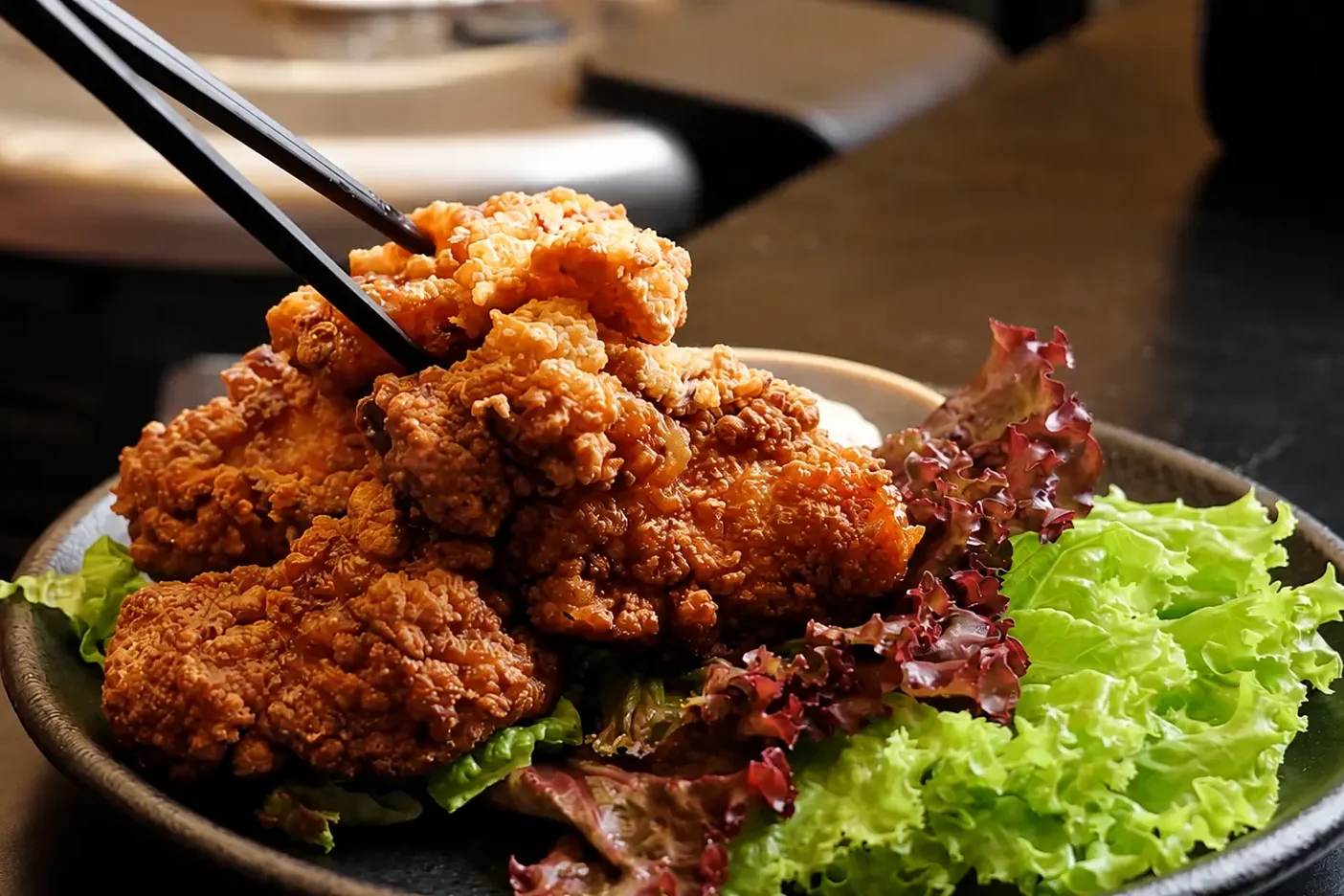
Crispy Japanese fried chicken, simple and satisfying, this dish rarely needs an introduction once it reaches the table. Its familiar, comforting crunch makes it an easy favorite for first-timers and regulars alike looking for something reliably good.
A tangier, saucier take on fried chicken, chicken nanban brings a distinct comfort food appeal that stands apart from karaage. The sauce adds brightness without overwhelming the dish, making it a favorite for guests who want something a little more layered.
Wakame Soup
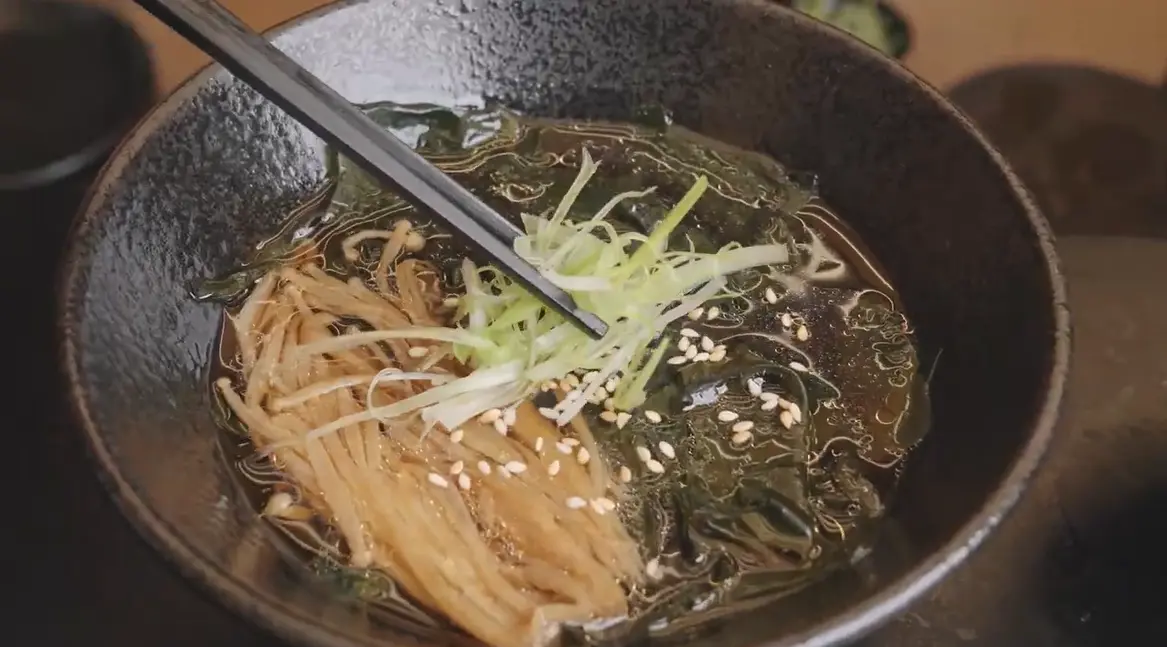
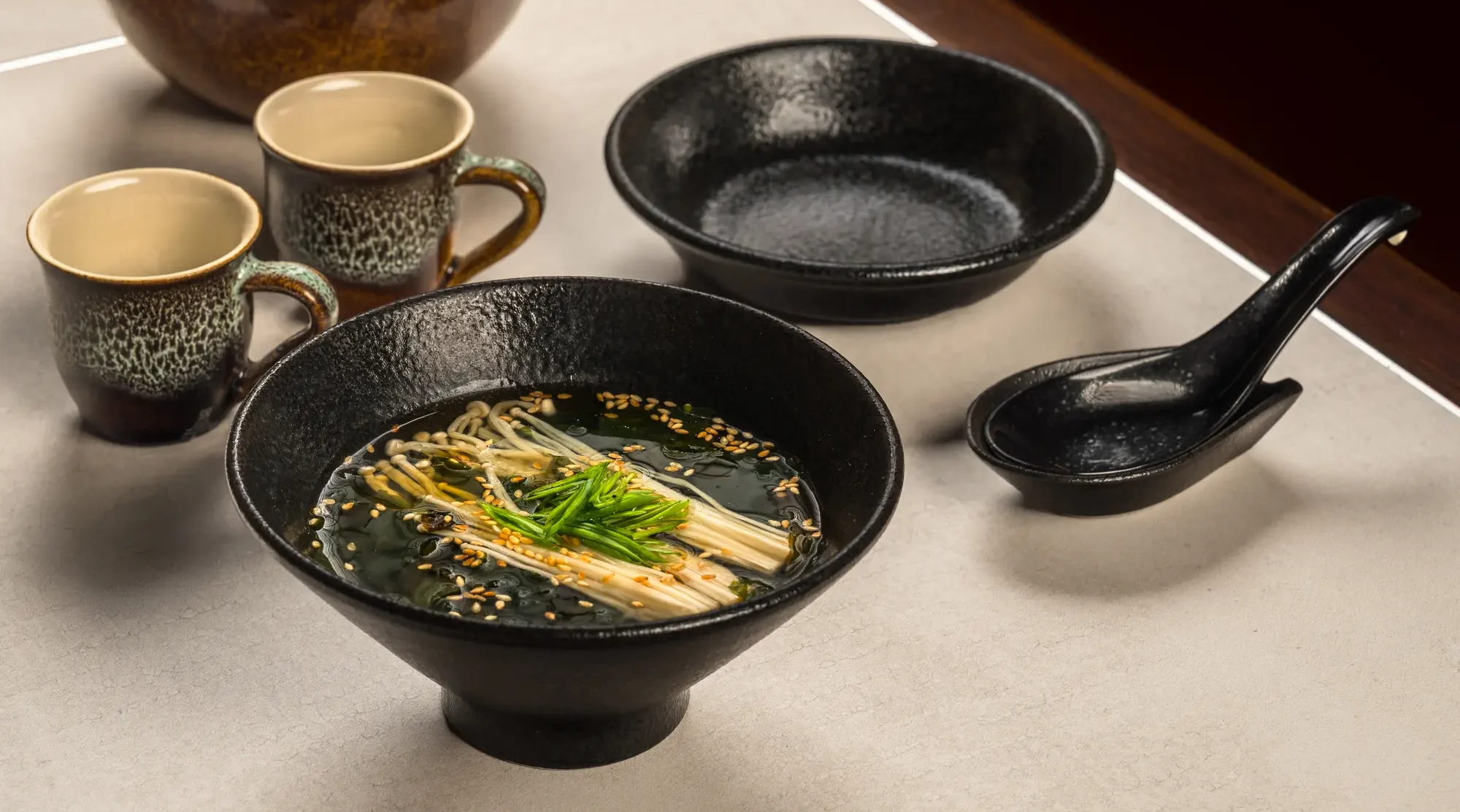
This light, warming starter helps ease guests into the meal before the grill takes over. Its subtle seaweed flavor and gentle broth make it a quiet, comforting opener that sets the tone for everything that follows.
Karubi Soup
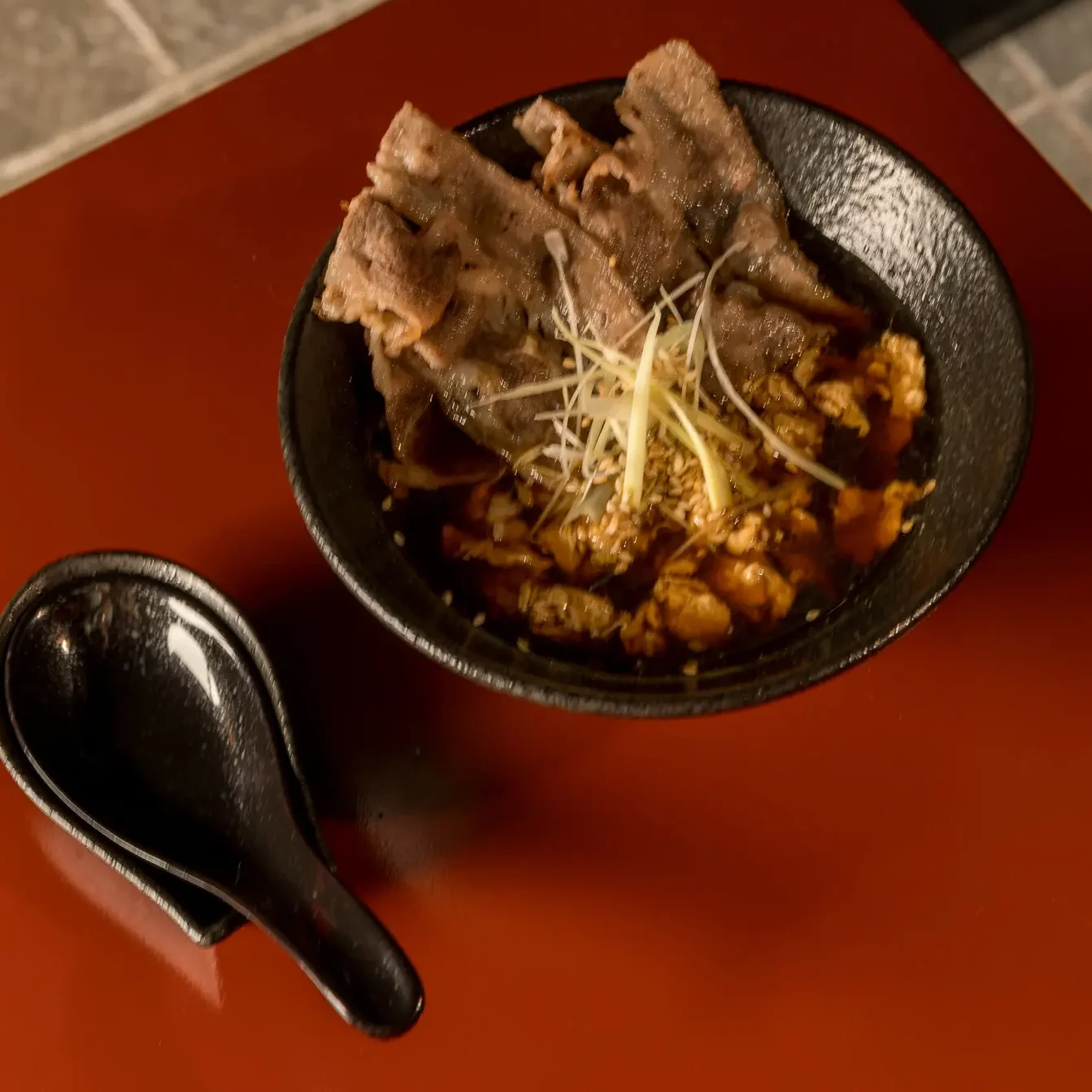

Another warming starter option, karubi soup carries a slightly richer flavor profile than wakame, rounding out the table nicely. It pairs well with the grilled dishes that follow, offering a heartier note before the main courses arrive.
Raku Raku Yakiniku: A Laid-back Food Dining Experience

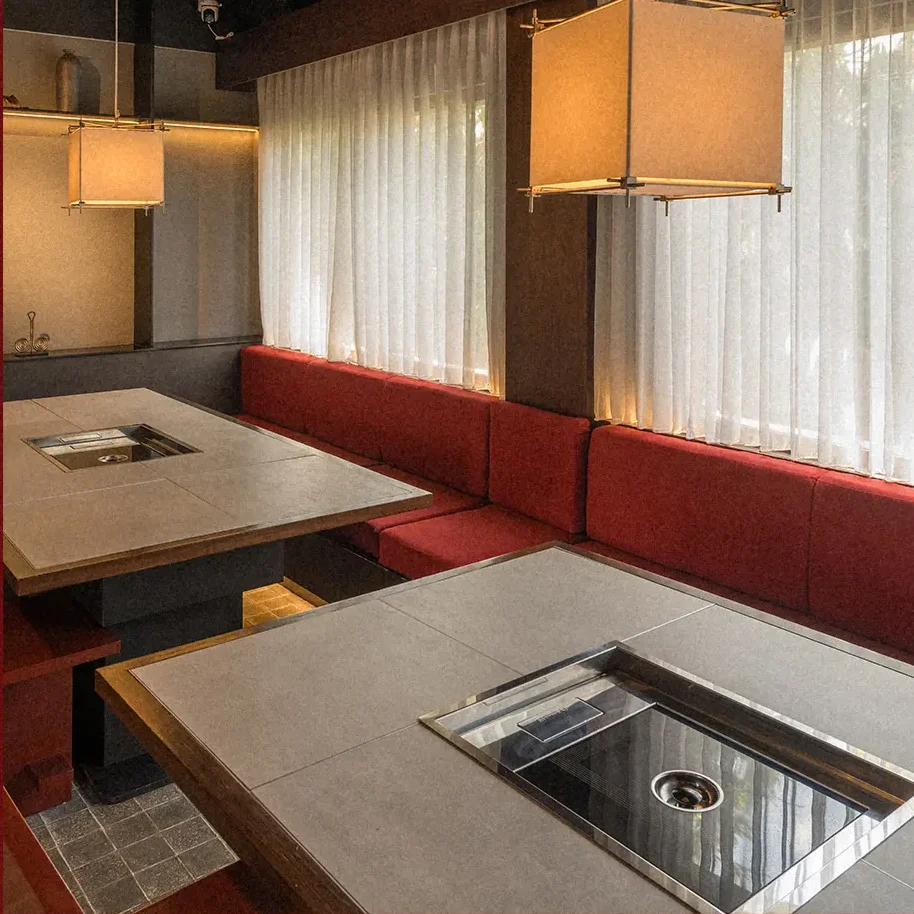
At Raku Raku Yakiniku, guests can immerse themselves in a laid-back, authentic take on japanese food Ubud has to offer. The restaurant specializes in yakiniku, which literally translates to “grilled meat.” Guests grill their own selections of meat and vegetables right at the table, making for an engaging, interactive meal rather than a passive one.
This dining style embodies the Japanese spirit of togetherness and sharing, making it a natural fit for families and groups of friends. The cozy atmosphere enhances the overall experience, letting guests savor the food as much as the company around the table. It’s this kind of detail that keeps guests describing Raku Raku as their go-to for japanese food Ubud has to offer, rather than just another restaurant on the list. If you’re weighing Raku Raku against other grill spots in town, our breakdown on Why Choose beef grill Ubud covers exactly what sets the experience apart.
A Taste of Japanese Comfort Food Awaits in Ubud

The culture of japanese food Ubud diners have come to associate with Raku Raku Yakiniku offers an inviting blend of culinary tradition, seasonal ingredients, and genuine comfort food. It’s more than a meal; it’s a shared, unhurried experience built around dishes that feel familiar even on a first visit.
If this sounds like the kind of evening you’re after, Raku Raku is easy to find and easier to enjoy:
- You can see the exact location on the map
- Follow along on our Instagram at @rakurakuubud for the latest activities and menu updates
- Reach out directly via WhatsApp to reserve your table.
Whether you’re a local or a traveler passing through, a proper taste of Japan is waiting in this quiet corner of Ubud.