
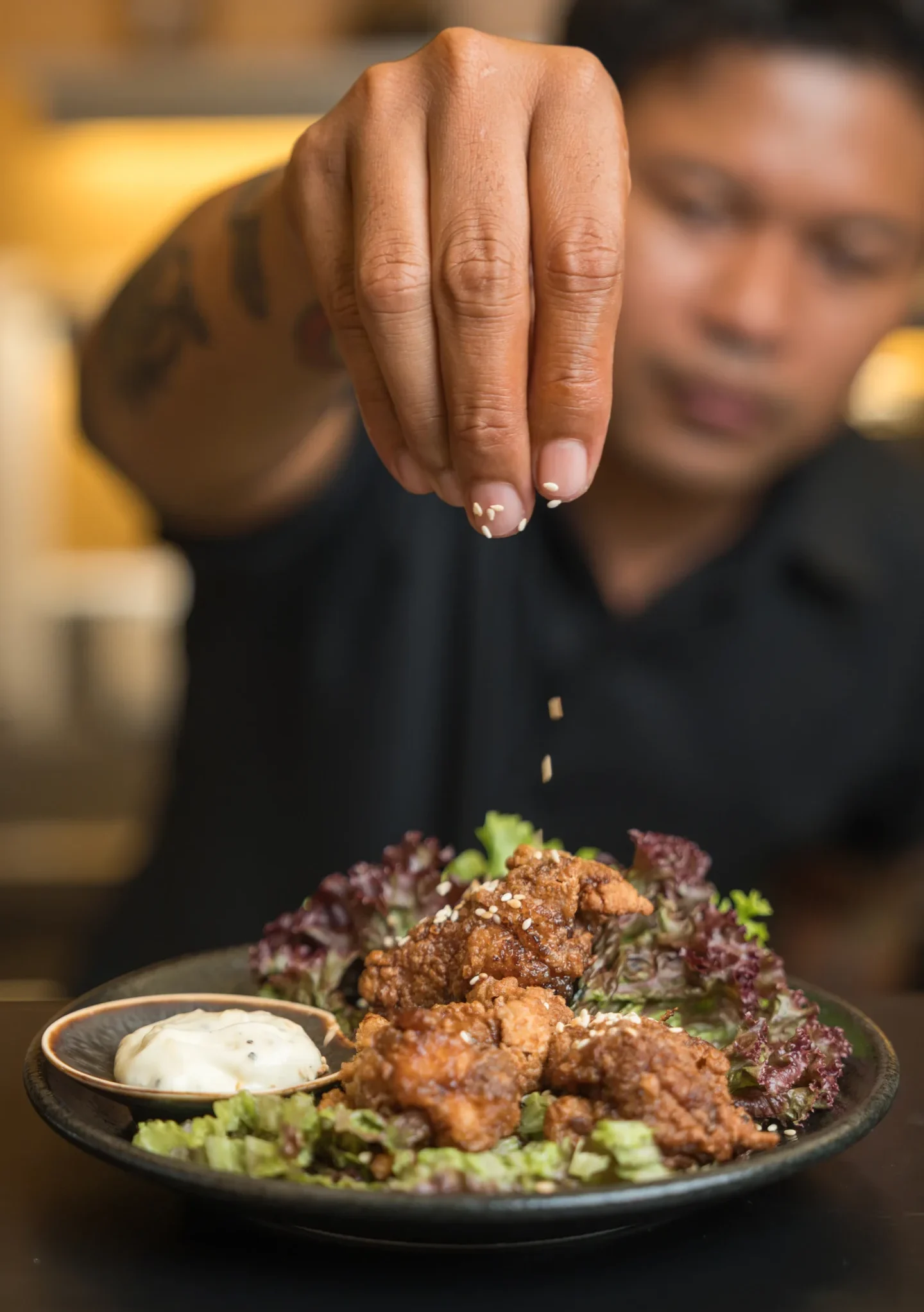
Japanese culinary presentation is an art form that goes well beyond food preparation. It merges aesthetics with flavor to create a holistic dining experience. Central to this philosophy are two ideas, “ma” or negative space, and “shun” representing seasonality. These principles guide how dishes are plated and served, so that each meal delights the eye as much as the palate. As we explore the visual grammar behind Japanese culinary presentation, a few threads run through this guide. We’ll look at the visual appeal of dishes on a psychological level. We’ll also cover the flavor diversity found across Japanese cuisine Ubud kitchens, and the aesthetic dining experiences waiting in Ubud itself.
The Philosophy Behind Japanese Culinary Presentation
The principle of “ma” emphasizes negative space in food presentation. It encourages chefs to leave empty areas on the plate, letting the dish breathe. This minimalist approach contrasts sharply with the busier visuals found in many other culinary traditions. It also gives every element of food presentation room to stand on its own, rather than competing for attention. Diners exploring Japanese cuisine Ubud restaurants offer will often notice this restraint before they notice anything else on the table. That quiet confidence is one of the clearest signs of skilled Japanese culinary presentation at work.
“Shun,” on the other hand, highlights seasonality. Ingredients are selected at peak freshness, allowing the most vibrant flavors and colors to shine through naturally. Together, these two ideas shape a style of Japanese culinary presentation where the visual and the flavorful genuinely support each other. Neither one simply decorates the other. Once you notice “ma” and “shun” at work, it becomes hard to look at a plate the same way again.
The Art of Plating: Color, Shape, and Negative Space
Several elements work together to build a visually appealing plate. Understanding the art of plating makes it much easier to notice these details. The next time a dish arrives at your table, you’ll likely spot them right away.
- Odd Numbers in Garnish Arrangements: A garnish of three herbs or five vegetable slices tends to draw the eye. It also feels naturally balanced on the plate.
- Contrasting Colors: Pairing food against contrasting ceramic ware sharpens visual appeal. A vibrant red sauce on a white plate, for instance, creates real impact.
- Deliberate Use of Empty Space: Empty space on the plate guides the eye toward the food itself. This simple choice supports a calmer, more serene dining experience.
- Practical Example: A single slice of grilled yakiniku beef, paired with a curl of green onion and a small dipping bowl. This small arrangement shows the art of plating in its simplest form.
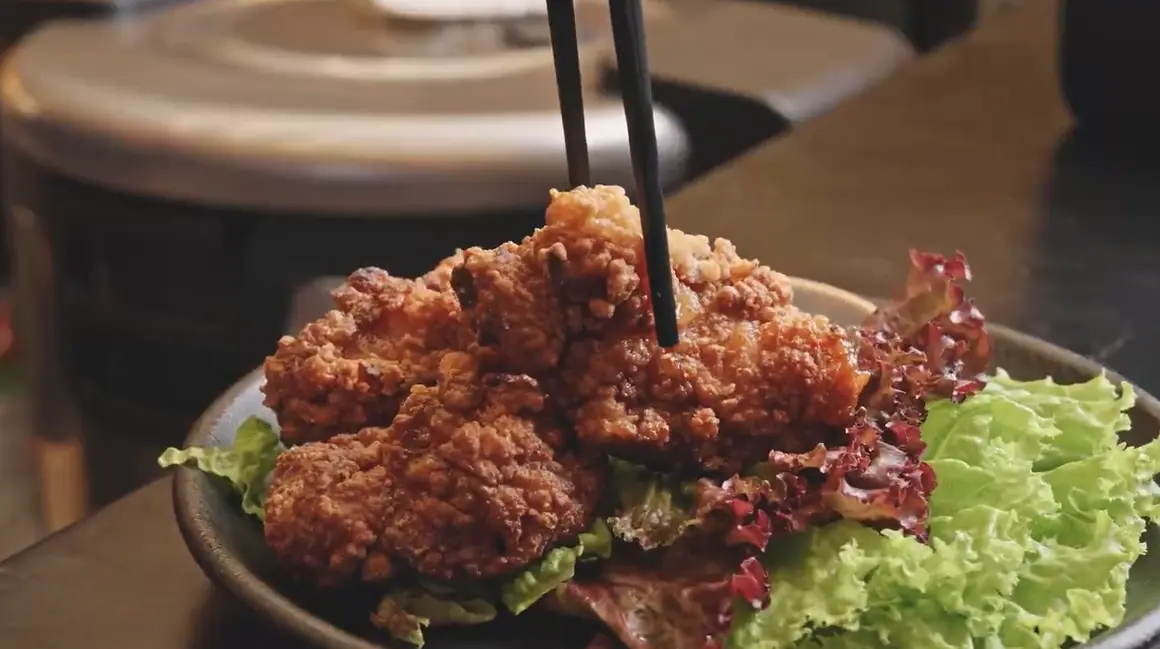
Altogether, these techniques prove that presentation isn’t decoration for its own sake. Japanese culinary presentation goes hand in hand with live cooking. That connection makes choosing a grill restaurant Ubud a decision rooted in both flavor and visual delight. Any japanese restaurant Ubud diners return to again and again tends to treat plating as seriously as the recipe behind it. That consistency, more than any single dish, is usually what earns the return visit.
How Visual Appeal of Dishes Shapes Your Dining Emotion
The psychology behind the visual appeal of dishes plays a real role in how we perceive taste. Research suggests that beautifully presented food is often rated as tasting better than an identical dish served carelessly. This happens partly because our brains process visual stimuli before the first bite even arrives. In many ways, the eyes start eating well before the fork does. A dish that looks thrown together can taste flat, even when the recipe underneath is nearly identical to a more carefully plated version.
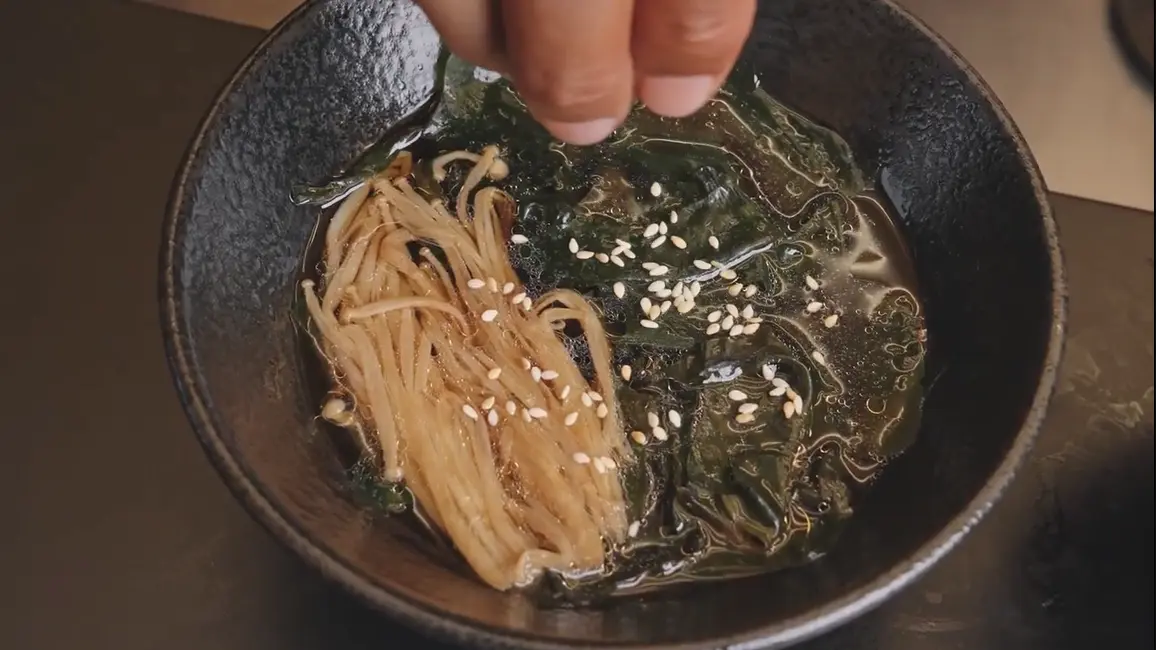
This interplay between sight and taste is especially strong in Japanese cuisine Ubud restaurants tend to specialize in. Here, presentation carries nearly as much weight as flavor itself. Notably, the visual appeal of dishes here isn’t an afterthought; it’s planned alongside the recipe from the very start. Understanding when to eat at a Japanese restaurant Ubud helps you fully appreciate the culinary presentation experience at its best. Lighting and pacing shift the visual mood course by course, long before the food itself changes.
Flavor Diversity in Japanese Cuisine and How It Is Presented
Japanese cuisine Ubud diners encounter is known for its range. It offers a spread of tastes and textures that keep every course interesting. Flavor diversity in Japanese cuisine isn’t an accident. It’s built into how each course is planned and plated, long before it reaches the table.
Savory, Umami-Rich Mains
Seasoned prawns, ready to hit the grill, anchor the richer side of the meal. Their presentation typically stays simple, letting the char and marinade do the visual work. A light garnish is usually all that’s needed, since the color of the char already carries most of the visual interest. This restraint keeps the focus exactly where it belongs, on the protein itself.
Bright, Pickled, and Fermented Sides
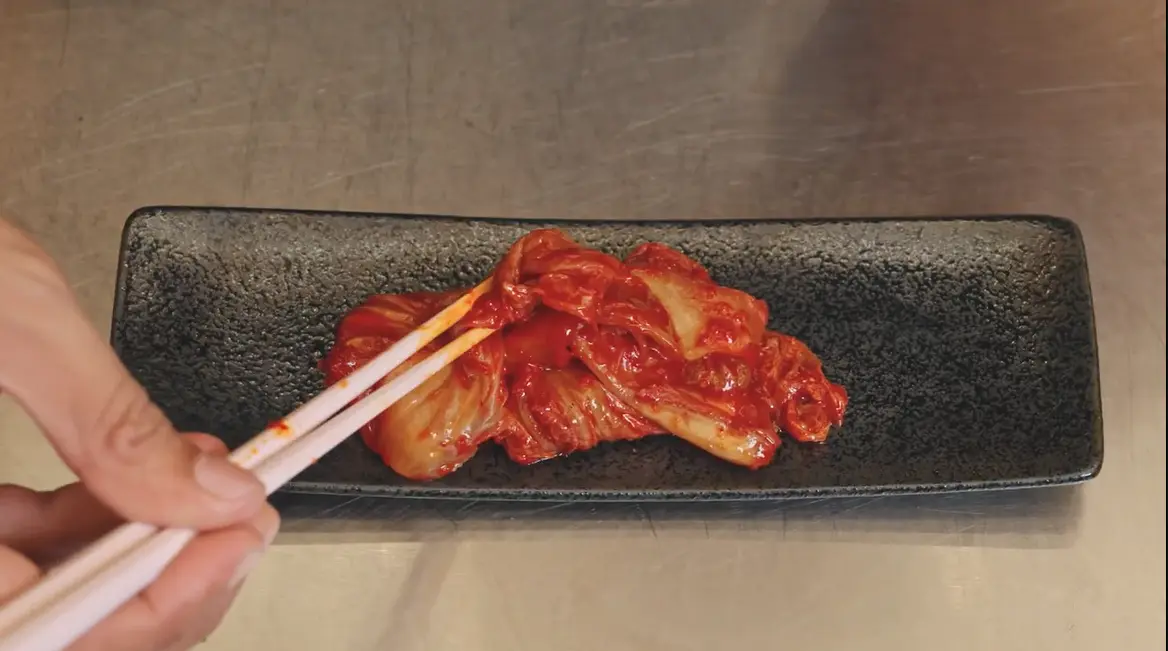
Kimchi and similar pickled sides bring color and acidity to the table. Chefs often plate these in small, vivid portions that contrast sharply against the main dish. That contrast isn’t only visual; it resets the palate before the next rich bite arrives. A single spoonful is usually enough to do the job.
Refreshing Pairings
Warm tea and crisp edamame round out the meal with lighter textures. Together, they cleanse the palate and give the eye a break between richer courses. Even a small dish of edamame plays a real role in how the whole meal is paced. Small details like these are easy to overlook, yet they shape how the entire meal feels from start to finish.
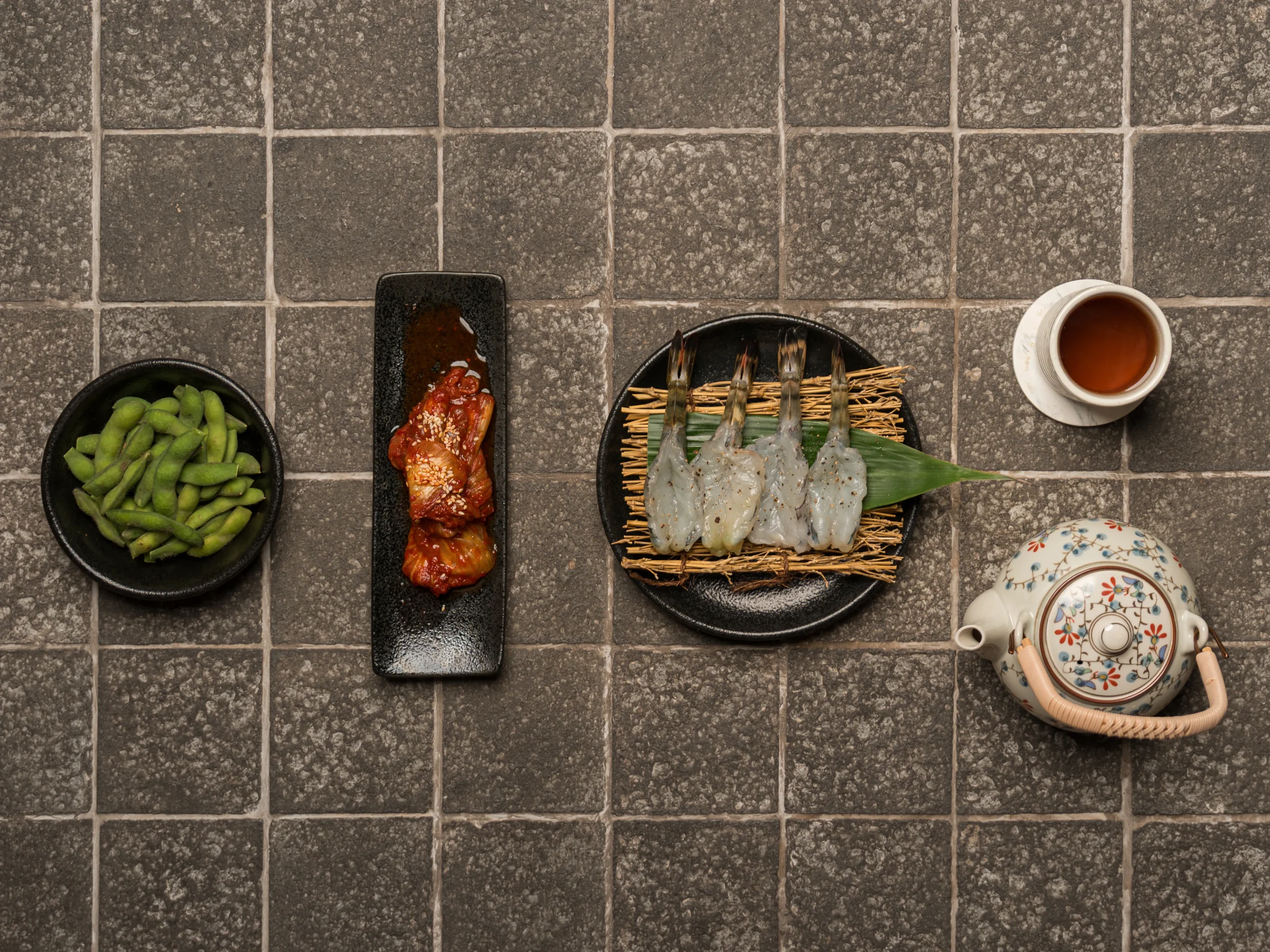
This kind of variety doesn’t just satisfy the palate. It also showcases the seasonal ingredients that define Japanese food Ubud kitchens build their menus around, course after course. In the end, this flavor diversity in Japanese cuisine is exactly what keeps a tasting menu feeling fresh. Every course still manages to feel new, right up to the last bite.
Aesthetic Dining Experiences at a Japanese Restaurant in Ubud
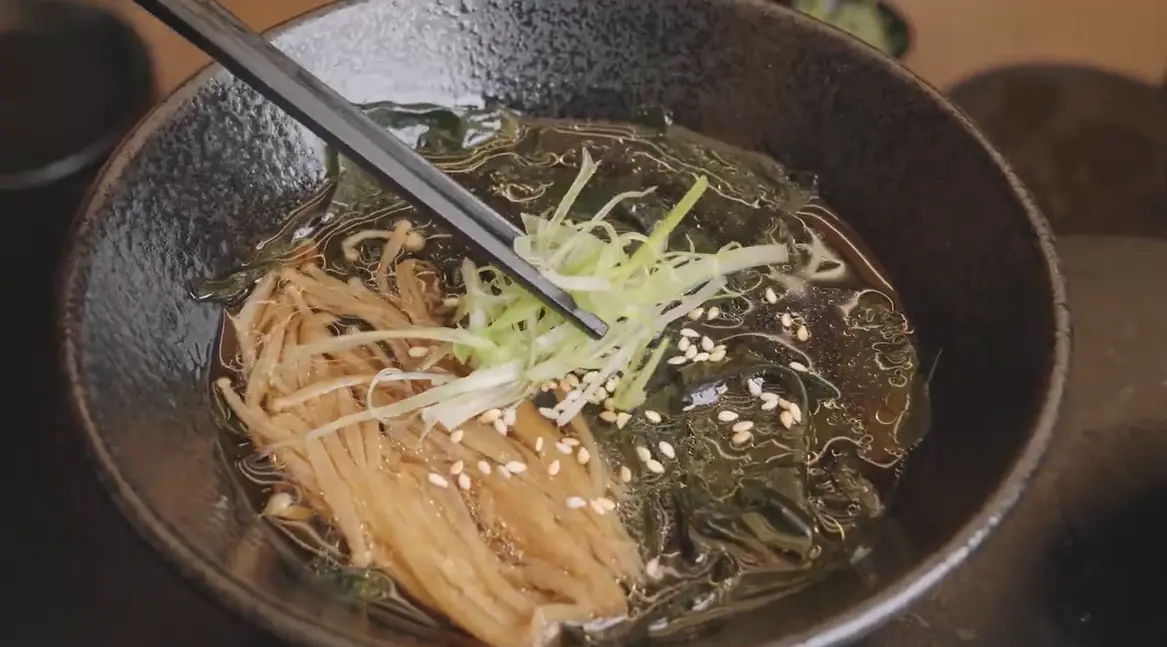
Dining at a japanese restaurant Ubud like Raku Raku Yakiniku offers an aesthetic experience deeply tied to nature. Surrounded by lush greenery and open-air layouts, guests can savor their meals in a genuinely tranquil setting. The unhurried pace of the meal allows for a deeper appreciation of Japanese food presentation. Each visit becomes something worth remembering, rather than just another dinner. Aesthetic dining experiences like this rarely happen by accident; they’re built into the layout, the pacing, and the plate itself.
The art of plating reaches new heights at Raku Raku, a Japanese restaurant rooted in genuine hospitality and aesthetic precision. Between the natural surroundings and the care behind every plate, it’s easy to see how japanese culinary presentation transforms an ordinary dinner. It becomes a sensory experience worth savoring in Ubud. Among Japanese food Ubud options, few manage to combine setting and plate this consistently.
So, the next time you find yourself in Ubud craving something beautiful and delicious, let the table at Raku Raku tell the story, one perfectly grilled bite at a time.