
Sustainable Japanese ingredients Ubud are becoming an increasingly important part of the culinary conversation as diners seek food that combines exceptional flavor with more conscious choices. In the heart of Ubud, Raku Raku Yakiniku embraces a Japanese-inspired dining experience that values fresh ingredients, thoughtful preparation, and a greater appreciation for where food comes from.
From fresh produce to carefully prepared dishes, sustainability can begin with thoughtful sourcing, seasonal ingredients, and a commitment to reducing unnecessary waste. This article explores the role of sustainable food practices in modern dining and how a Japanese culinary experience can connect delicious flavors with a more conscious approach to food.
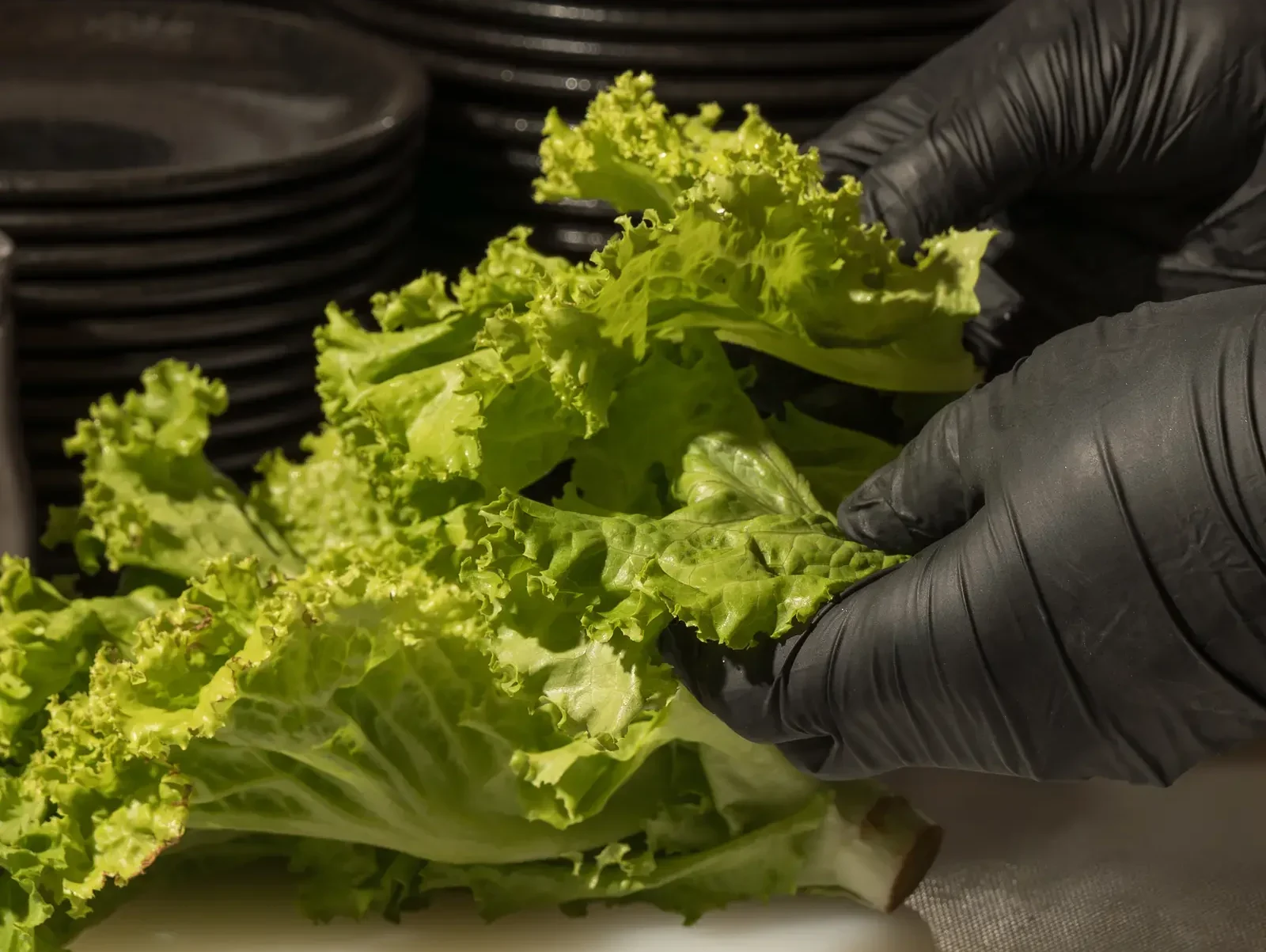
Sustainable Japanese Ingredients Ubud and Thoughtful Sourcing
As awareness of environmental issues continues to grow, more diners are becoming interested in the journey behind the food on their plates. Ingredient sourcing plays an important role in creating a more responsible dining experience.
For Japanese cuisine, freshness and ingredient quality are essential. Carefully selected produce, proteins, and seasonal ingredients can contribute not only to exceptional flavor but also to a more thoughtful approach to food preparation.
By prioritizing fresh ingredients and working toward responsible sourcing practices, restaurants can help reduce unnecessary transportation while supporting a stronger connection between food, producers, and the local community.
Local Sourcing and Fresh Ingredients in Ubud
Ubud is surrounded by a rich agricultural landscape, making fresh local produce an important part of the region’s culinary identity. Seasonal vegetables and ingredients can bring natural flavor, freshness, and variety to the dining experience.
Thoughtful sourcing also allows chefs to work with ingredients at their best. By incorporating fresh produce into Japanese-inspired dishes, restaurants can create a culinary experience that respects traditional flavors while embracing the ingredients available in Bali.
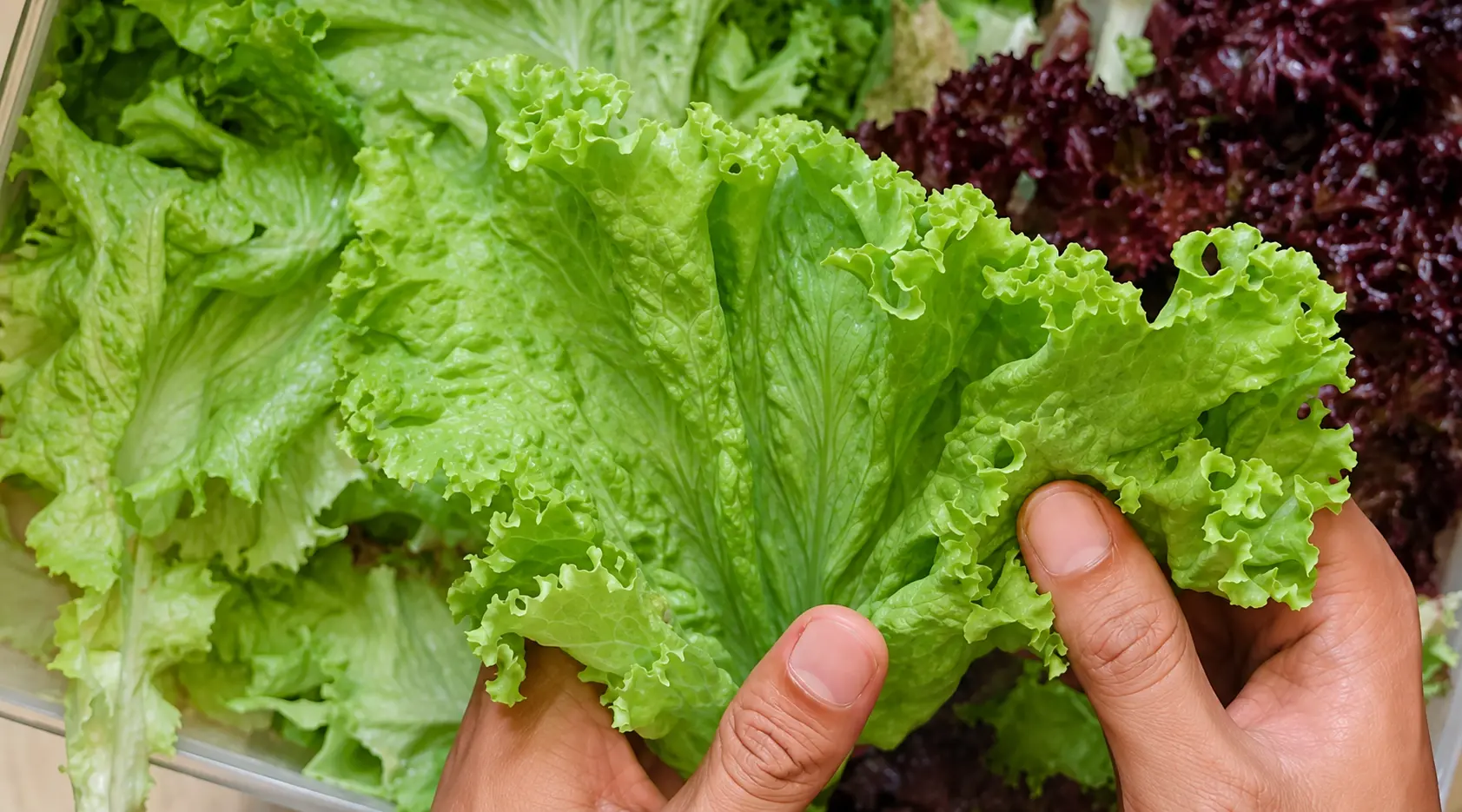
From Fresh Ingredients to Thoughtfully Prepared Food
Fresh ingredients are only the beginning of the culinary journey. The way food is prepared also plays an important role in creating a memorable dining experience.
Japanese cuisine is known for its attention to detail, where texture, flavor, presentation, and ingredient quality come together. At Raku Raku Yakiniku, the dining experience celebrates the enjoyment of carefully prepared food while highlighting the importance of quality ingredients.
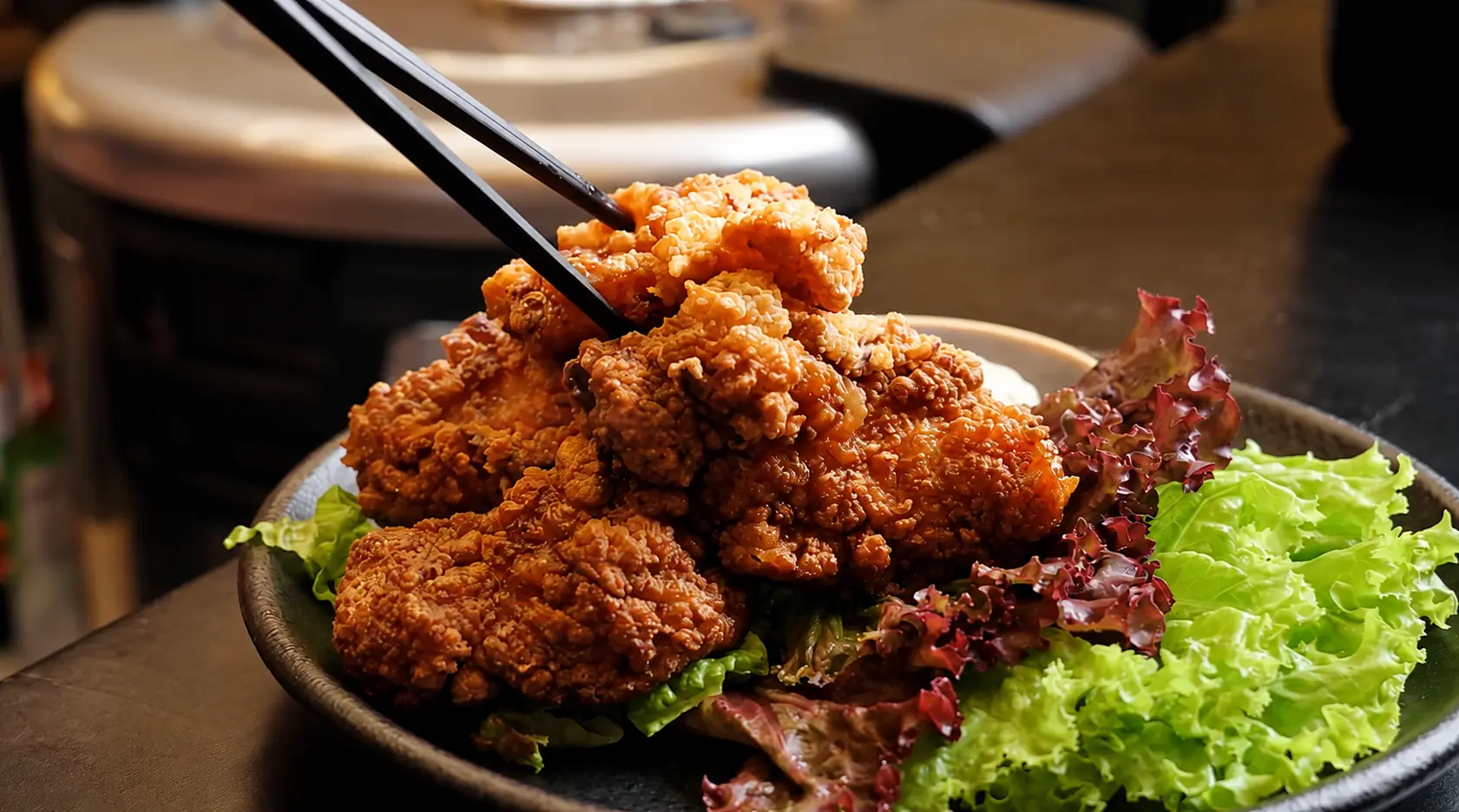
Sustainable Food Practices in Modern Dining
Sustainability in dining goes beyond the ingredients themselves. It can also involve the way food is prepared, stored, and managed in the kitchen.
A more thoughtful culinary approach may include practices such as:
- Reducing Food Waste
Making better use of ingredients and minimizing unnecessary food waste during preparation. - Using Seasonal Ingredients
Creating dishes that follow the availability of fresh ingredients throughout the year. - Thoughtful Menu Planning
Designing menus that allow ingredients to be used efficiently while maintaining quality and variety. - Energy-Conscious Operations
Using kitchen equipment and operational practices efficiently whenever possible.
These approaches demonstrate that sustainability and great food do not have to be separate ideas. With careful planning, responsible practices can support both the environment and the overall dining experience.
The Art of Preparation: Flavor, Detail, and Craftsmanship
A memorable dish is created through more than just high-quality ingredients. Preparation, technique, and attention to detail all contribute to the final result.
From the first stage of preparation to the finishing touches before serving, every step offers an opportunity to bring out the best flavors and textures of the ingredients.
For Japanese-inspired cuisine, this attention to detail is particularly important. The balance between savory flavors, texture, freshness, and presentation helps transform a meal into a complete culinary experience. Discover more about the art of Japanese culinary presentation and how thoughtful presentation can elevate the overall dining experience.
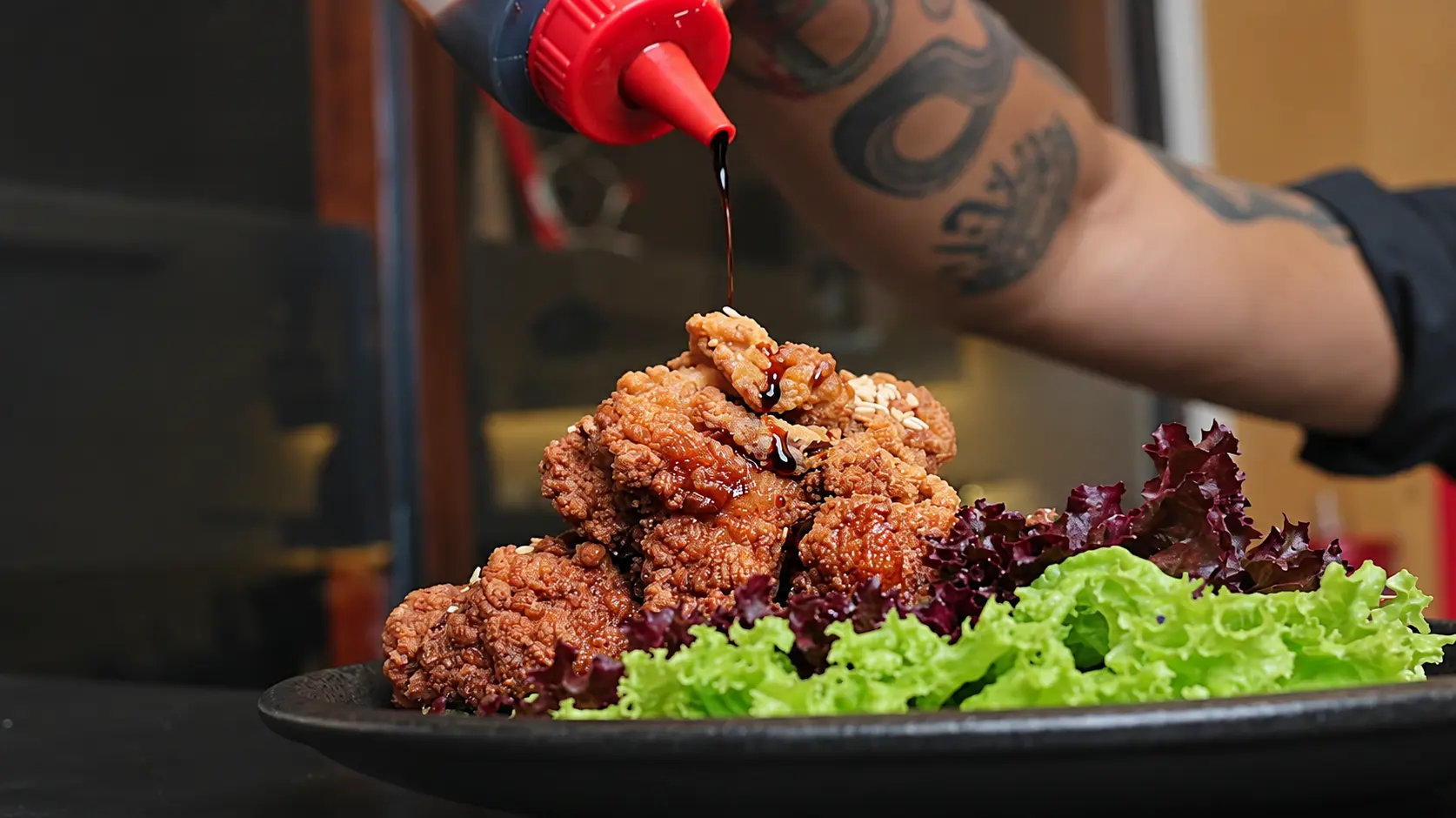
Raising Awareness Through More Conscious Dining
One of the most important aspects of sustainable dining is awareness. Understanding where ingredients come from and how food choices can affect the environment encourages diners to become more thoughtful about what they consume.
Restaurants can play an important role by creating conversations around:
- The importance of fresh and seasonal ingredients.
- Supporting responsible food production.
- Reducing unnecessary food waste.
- Appreciating the journey from ingredient to plate.
- Making more conscious choices when dining.
A dining experience can therefore become more than simply enjoying a meal. It can also create a stronger appreciation for ingredients, culinary craftsmanship, and the people involved in bringing food to the table.
An Enjoyable and Thoughtful Dining Experience
Sustainability does not mean sacrificing flavor or enjoyment. In fact, a focus on fresh ingredients and thoughtful preparation can enhance the overall dining experience.
At Raku Raku Yakiniku, the experience of Japanese dining can be appreciated through carefully prepared dishes, quality ingredients, and attention to flavor and presentation. For diners looking to explore a memorable Japanese culinary experience in Bali, discover why Raku Raku Yakiniku is considered one of the best Japanese restaurants in Ubud.
From the freshness of the ingredients to the final finishing touches, every element of a meal contributes to the story behind the plate.
The Future of Sustainable Dining
As diners become increasingly interested in food quality, ingredient origins, and responsible dining practices, sustainability will continue to play an important role in the future of the culinary industry.
Restaurants have an opportunity to create positive change through thoughtful sourcing, efficient kitchen practices, seasonal menus, and greater awareness of food waste.
The future of dining is not only about creating delicious food, but also about creating a more meaningful relationship between ingredients, chefs, producers, and diners.
Join the Journey Toward More Conscious Dining
Sustainable Japanese Ingredients Ubud represent more than simply choosing high-quality food. They reflect a greater appreciation for fresh produce, thoughtful sourcing, and the care involved in preparing every dish. By supporting more conscious food choices and valuing quality ingredients, diners can contribute to a more meaningful and responsible dining culture.
Visit Raku Raku Yakiniku and discover a Japanese dining experience where fresh ingredients, careful preparation, and memorable flavors come together.