
Seasonal ingredients in Japanese cuisine Ubud guests encounter begin with a simple belief: food tastes its best when it is enjoyed close to its peak. In Japan, cooks plan menus around the calendar, and that habit travels well to a tropical island where the seasons look different but still matter. This guide explains the idea, how Bali’s climate shapes it, and how to notice it at the table at Raku Raku Yakiniku.
Seasonal Ingredients in Japanese Cuisine Ubud
The Idea Behind Shun
In Japanese, the word shun describes the short window when an ingredient is at its most flavorful. A cook who follows shun does not ask what is available, but what is best right now. The result is food that tastes more vivid with less effort.
Four Seasons on One Plate
Traditional menus shift with the calendar. Dishes grow lighter and fresher as the weather warms, then richer and more warming as it cools. Even small details follow the pattern, from garnishes to the way a dish is served. Diners come to expect a meal that quietly reflects the time of year.
Why Peak Flavor Matters
Ingredients at their peak need less help. They carry more natural sweetness, aroma, and texture, so cooks can season with a light hand. That is why seasonality and restraint so often go together in Japanese kitchens.
How Ubud’s Climate Changes the Table
Wet and Dry Seasons

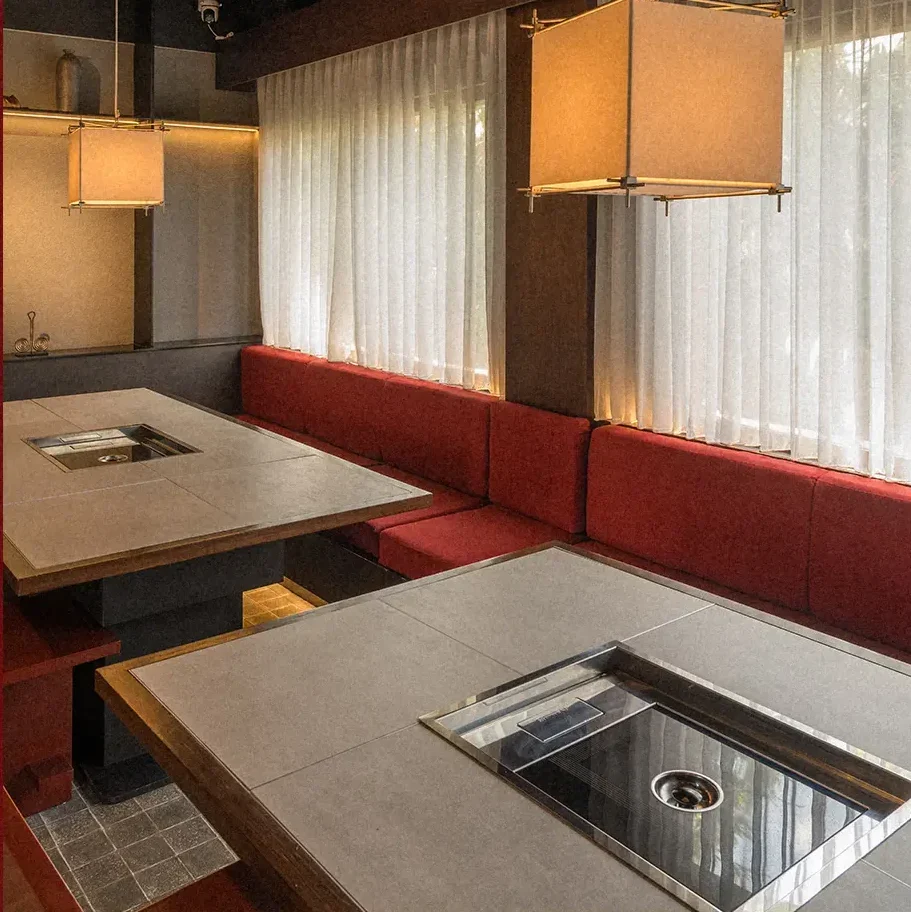
Bali does not have spring or autumn, but it does have a wet season and a dry season. Each one changes what grows well and what the market offers. Rather than copy a Japanese calendar exactly, a kitchen in Ubud can adapt the idea to local rhythms.
Fresh Vegetables Beside the Grill
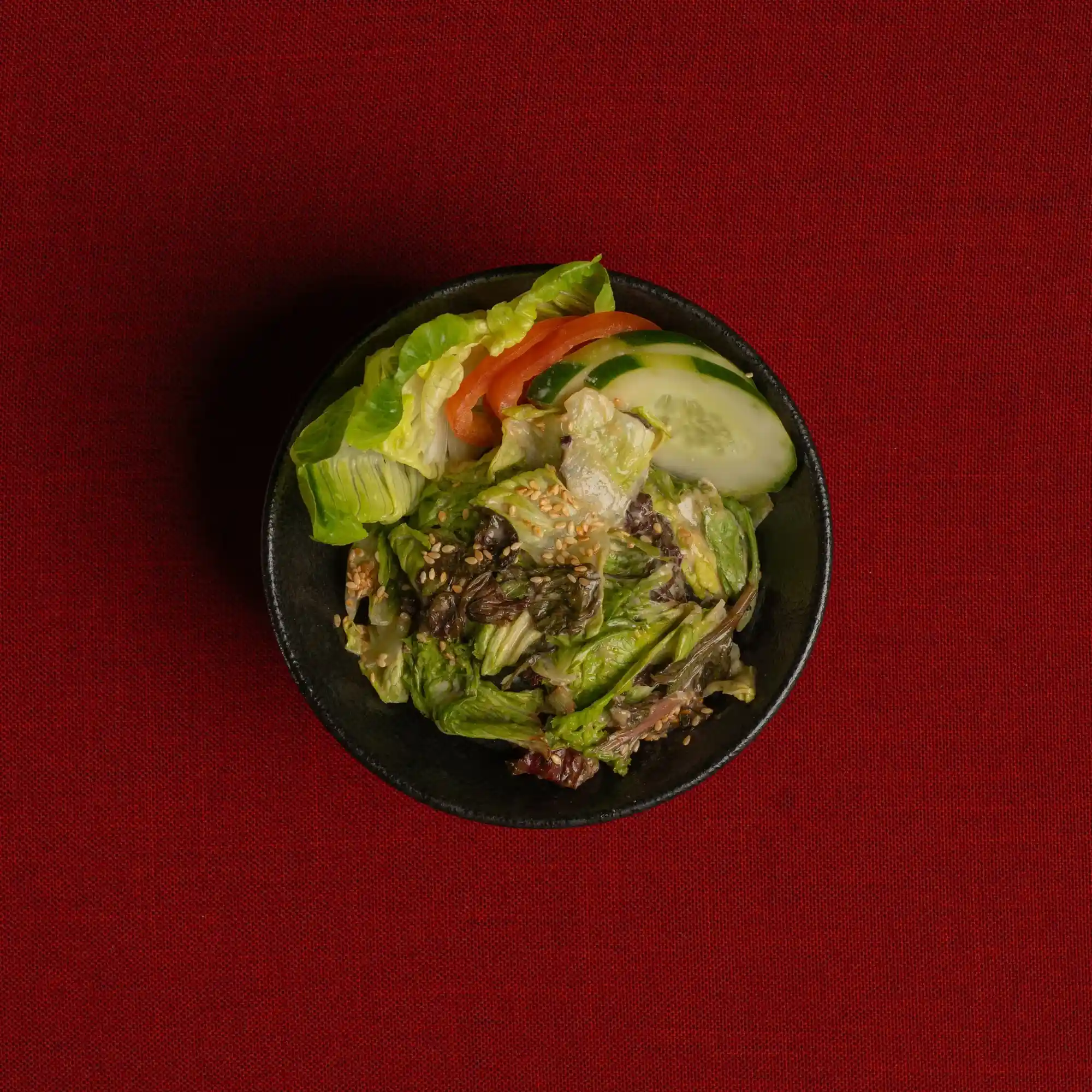

Grilled meat is the star at a yakiniku restaurant, but fresh vegetables do quiet work around it. Raku Raku builds sides such as its chef salad around fresh greens and herbs, giving each table something crisp and green next to the grill.
Adapting Without Losing the Spirit
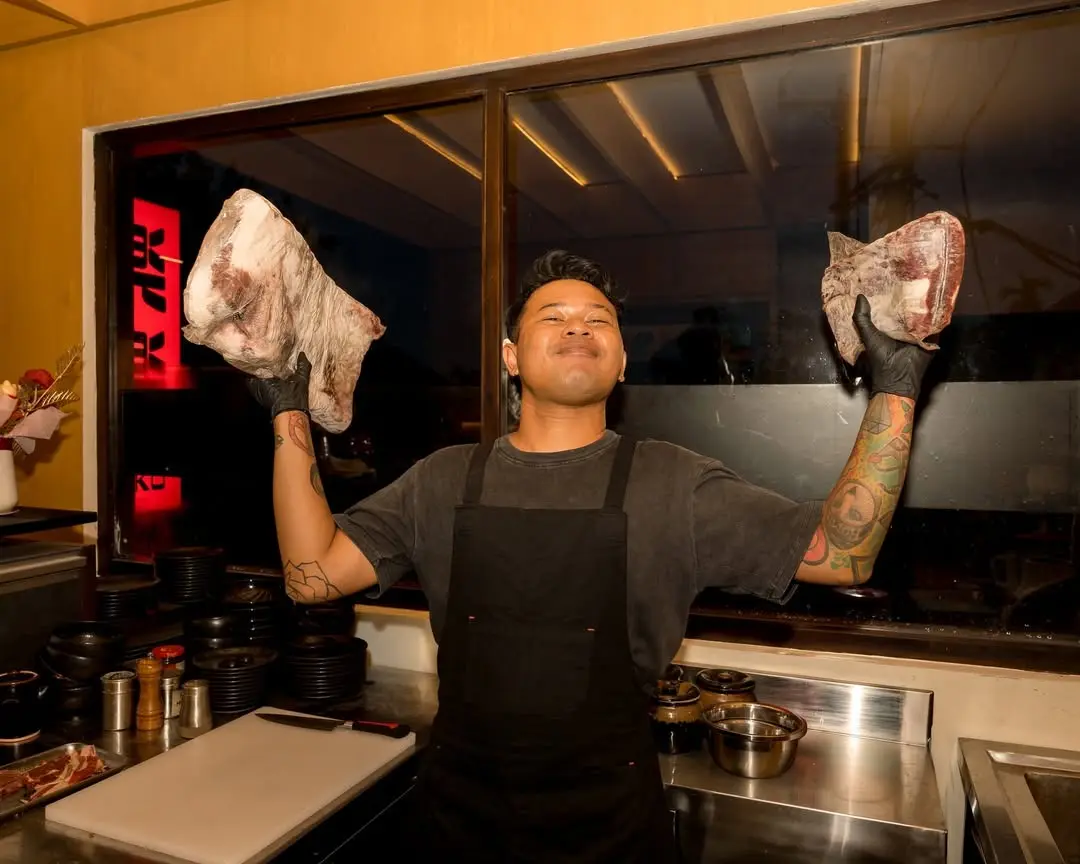
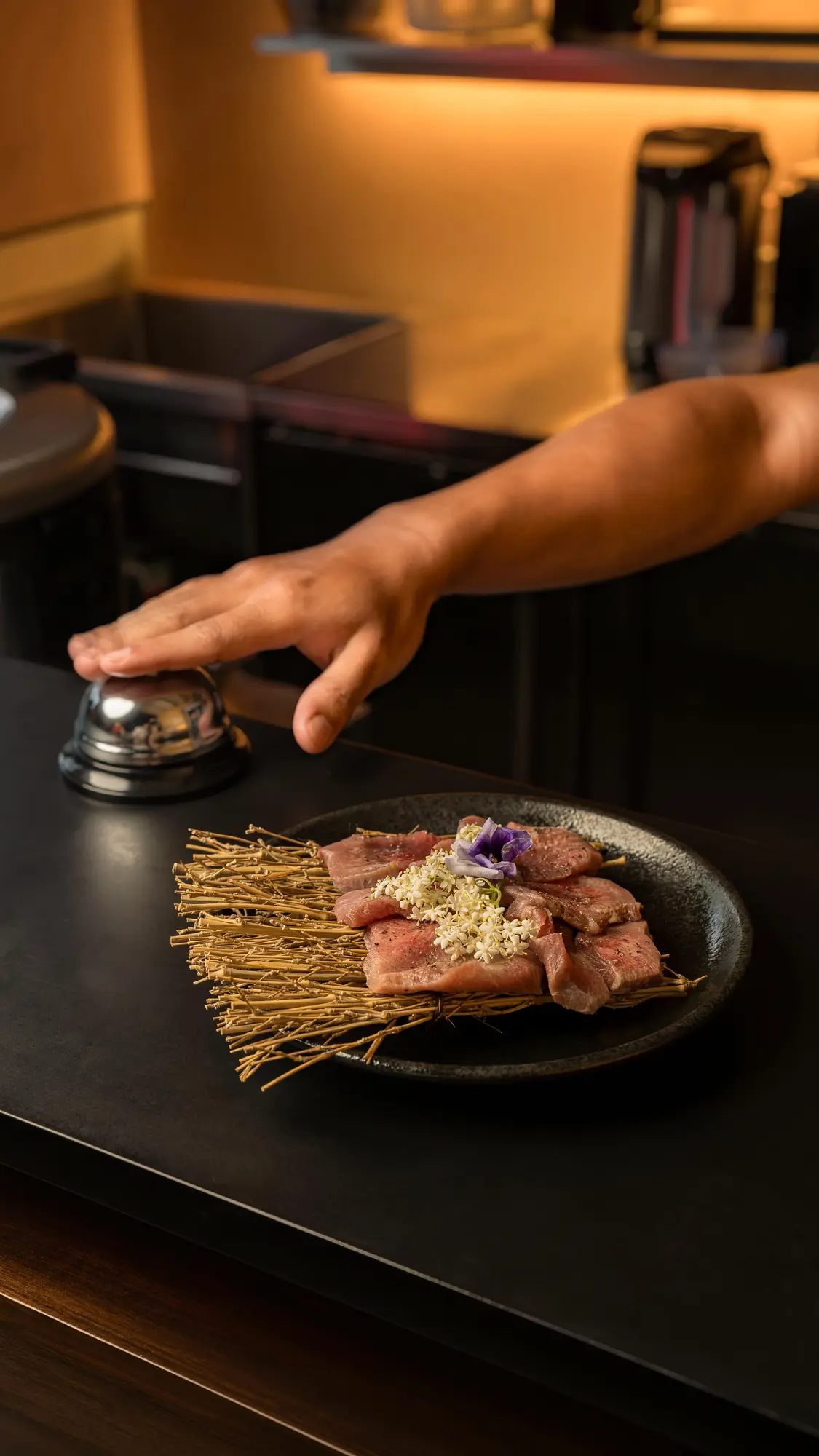
The goal is not a perfect imitation of Japan. It is to keep the spirit: choose what is good now, treat it with care, and serve it promptly. A tropical setting can honor that spirit just as well, with its own produce and its own timing.
Seasonality Meets Modern Dining

Seasonal thinking fits comfortably into a modern restaurant, where guests value freshness and clarity as much as tradition. To see how a contemporary approach respects older foundations, read about modern Japanese cuisine in Ubud.
What this mindset adds to a table:
- A reason for menus to stay lively instead of static.
- A habit of choosing ingredients at their best.
- A story diners can taste, not just read.
Eat Seasonal Ingredients in Japanese Cuisine Ubud
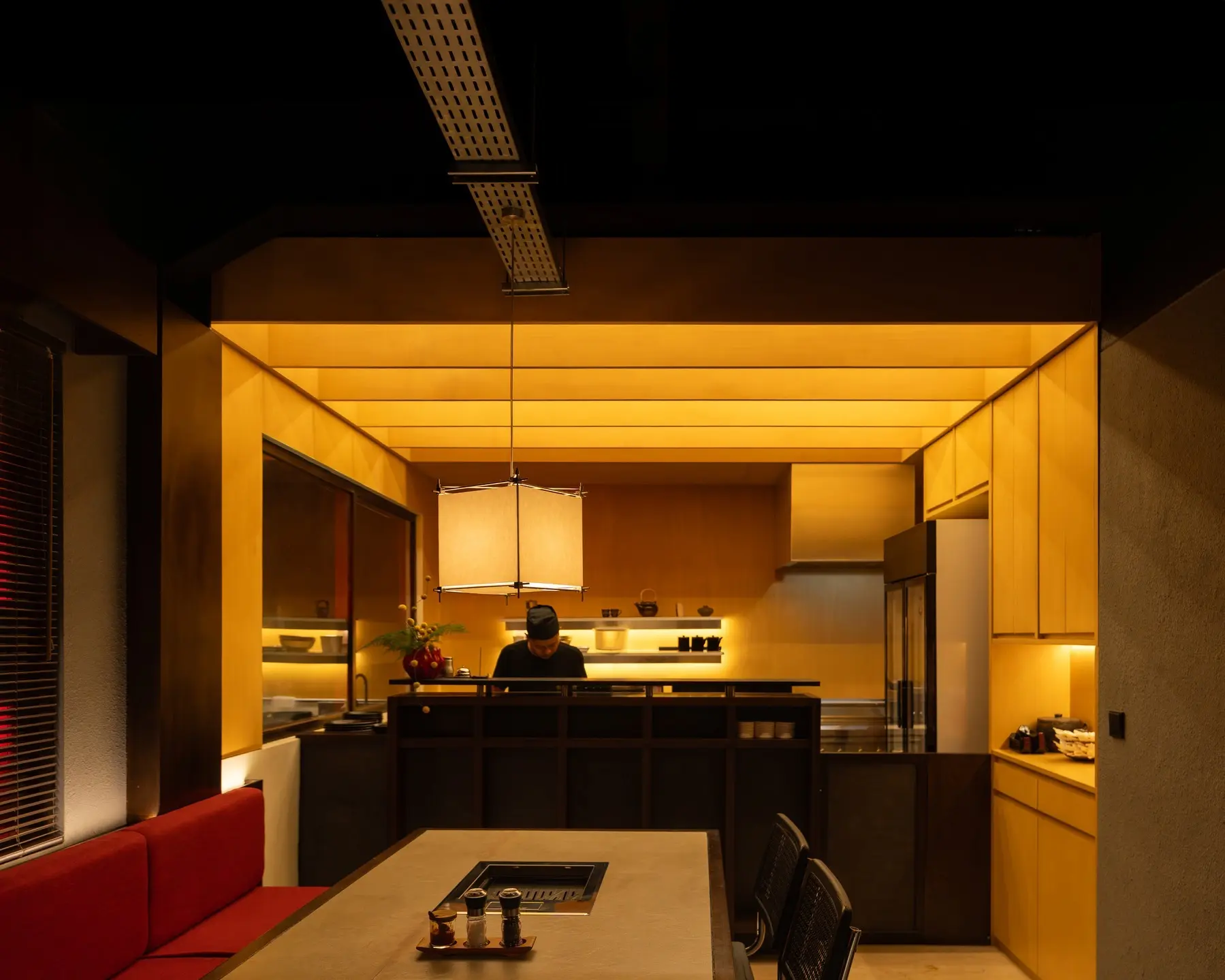
You do not need to be a food expert to notice seasonality. A few habits help you taste it:
- Ask the team which vegetables or sides are looking especially good.
- Eat fresh greens early, while they are still crisp.
- Try one bite plain before adding sauce, so you can taste the ingredient itself.
- Pay attention to how a familiar dish feels different between visits.
If you want ideas for what to order beside the grill, our guide to Japanese food pairings in Ubud makes a handy companion.
Planning a Seasonal Evening
A little preparation makes the visit smoother:
- Raku Raku Yakiniku is on the second floor of Raku Plaza and opens daily from 15.00 to 23.00.
- Reserve ahead, especially if you are coming with a group.
- Arrive a little early if you enjoy a slower start to the evening.
- Start with something fresh, then move on to the grill.
Taste the Season at Raku Raku
When you look closely, seasonal ingredients in Japanese cuisine Ubud style come down to one habit: respecting the moment when food is at its best. A grill dinner with fresh sides is an easy way to taste that idea for yourself.
Ready to set a date? Two quick steps:
- Lock in your seat with an online reservation.
- Drop by 2nd Floor, Raku Plaza, Ubud District, Gianyar Regency, Bali.
Seasons come and go, but a warm table and good company always suit the moment. Come hungry, order something fresh, and enjoy the evening while it lasts.


