
Understanding Japanese Dining Ambiance in a Cultural Context
The concept of Japanese dining ambiance is deeply rooted in cultural philosophy rather than visual design alone. It is shaped by principles such as simplicity, balance, and mindfulness. In traditional Japanese culture, dining is not just about eating but about experiencing space, silence, and atmosphere.
This approach is closely tied to zen philosophy, where minimalism and intentional design create a sense of calm.
Every element in the dining environment has meaning, from lighting to spatial arrangement. The goal is to remove distraction and enhance presence during the meal. In this sense, ambiance becomes an essential part of the dining experience itself.
Understanding this foundation helps visitors better appreciate Japanese dining ambiance in Ubud, especially when comparing different restaurant interpretations
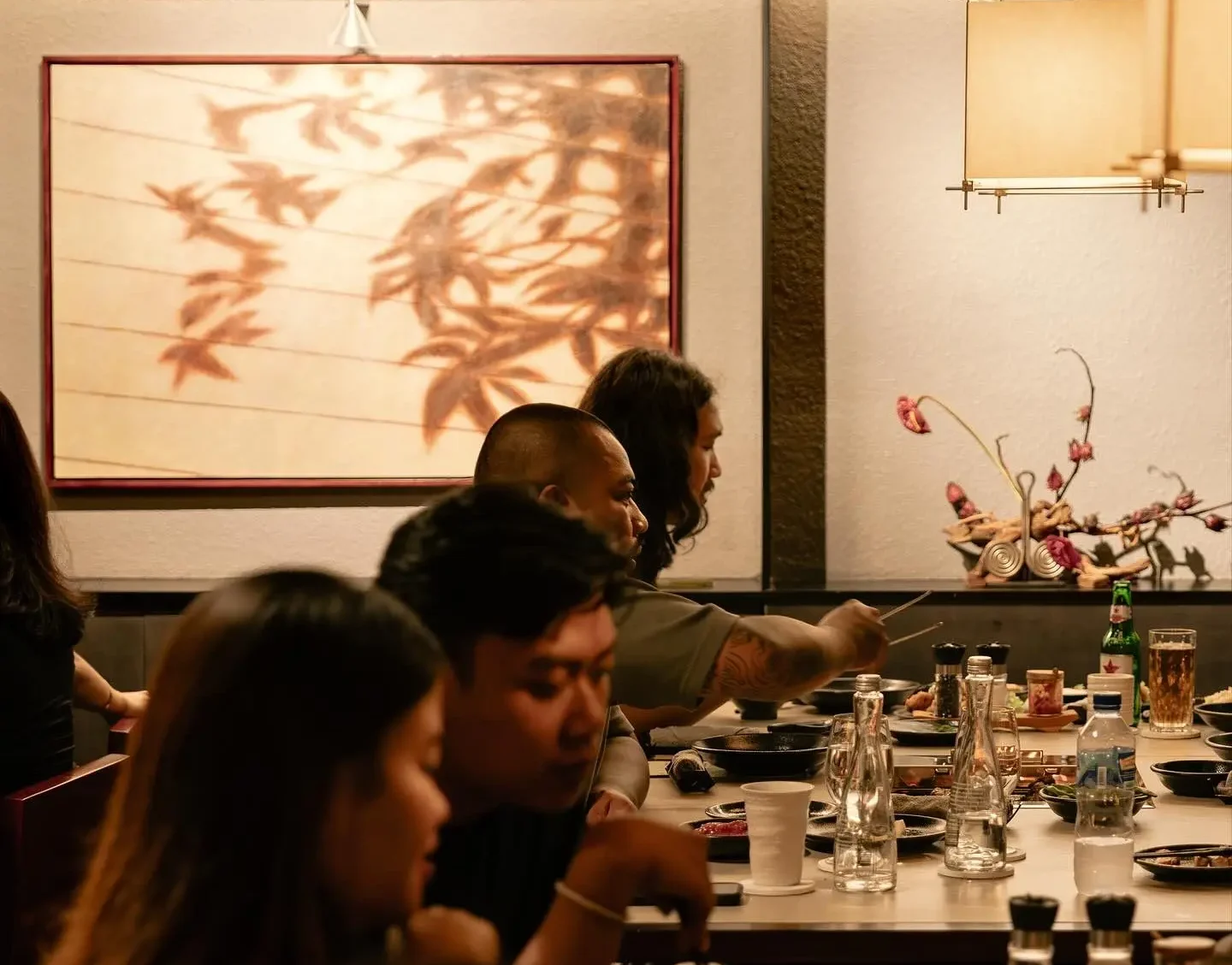
How Japanese Dining Ambiance in Ubud Translates Itself
Japanese dining ambiance in Ubud is often adapted to blend cultural authenticity with local environmental influences. The result is a unique interpretation of Japanese aesthetics that still preserves its core principles.
The atmosphere in restaurants ubud often reflects this fusion, combining tropical surroundings with structured minimalism. Natural light, open space, and organic textures are commonly used to recreate a sense of calm that aligns with Japanese dining philosophy.
Despite cultural differences, the essence of Japanese ambiance remains consistent: simplicity, balance, and sensory clarity. This is also closely connected to the broader ambiance and experience ubud, where design and emotional comfort play a central role in shaping how visitors perceive dining spaces.
Key Elements of Japanese Dining Ambiance
Several design and sensory elements define a strong Japanese dining environment. These elements work together to shape how guests perceive space and experience food.
- Lighting Design: Soft and warm lighting is used to reduce visual noise and create a calming environment.
- Natural Materials: Wood, stone, and earth-toned textures are often integrated into interiors to maintain a natural feel.
- Minimalist Layout: Space is intentionally structured to avoid overcrowding and maintain visual balance.
- Sensory Control: Sound levels, seating arrangement, and movement flow are carefully managed to support a relaxed experience.
Together, these elements form the foundation of Japanese dining ambiance in Ubud is perceived across different restaurants. To better understand how these elements are applied in real dining settings, you can view the scenery from each Japanese restaurant in their own gallery.
Experiencing Japanese Dining Ambiance at Raku Raku Yakiniku
At Raku Raku Japanese Yakiniku, Japanese dining ambiance is expressed through a carefully curated environment that emphasizes comfort and simplicity. The interior design reflects Japanese inspiration through the use of natural textures, warm lighting, and structured seating layouts. The space is designed to encourage a calm and focused dining experience.
Unlike highly formal dining settings, Raku Raku offers a more interactive environment while still maintaining balance in its overall design. The dining decor landscape often varies widely, but this restaurant maintains a consistent aesthetic approach rooted in Japanese simplicity and functionality.
This makes it a strong representation of Japanese dining ambiance in Ubud, especially for visitors who value both atmosphere and accessibility. For those who want to know more, you can explore the official home page for a broader overview of the concept and visit the menu page to understand the available offerings in more detail.
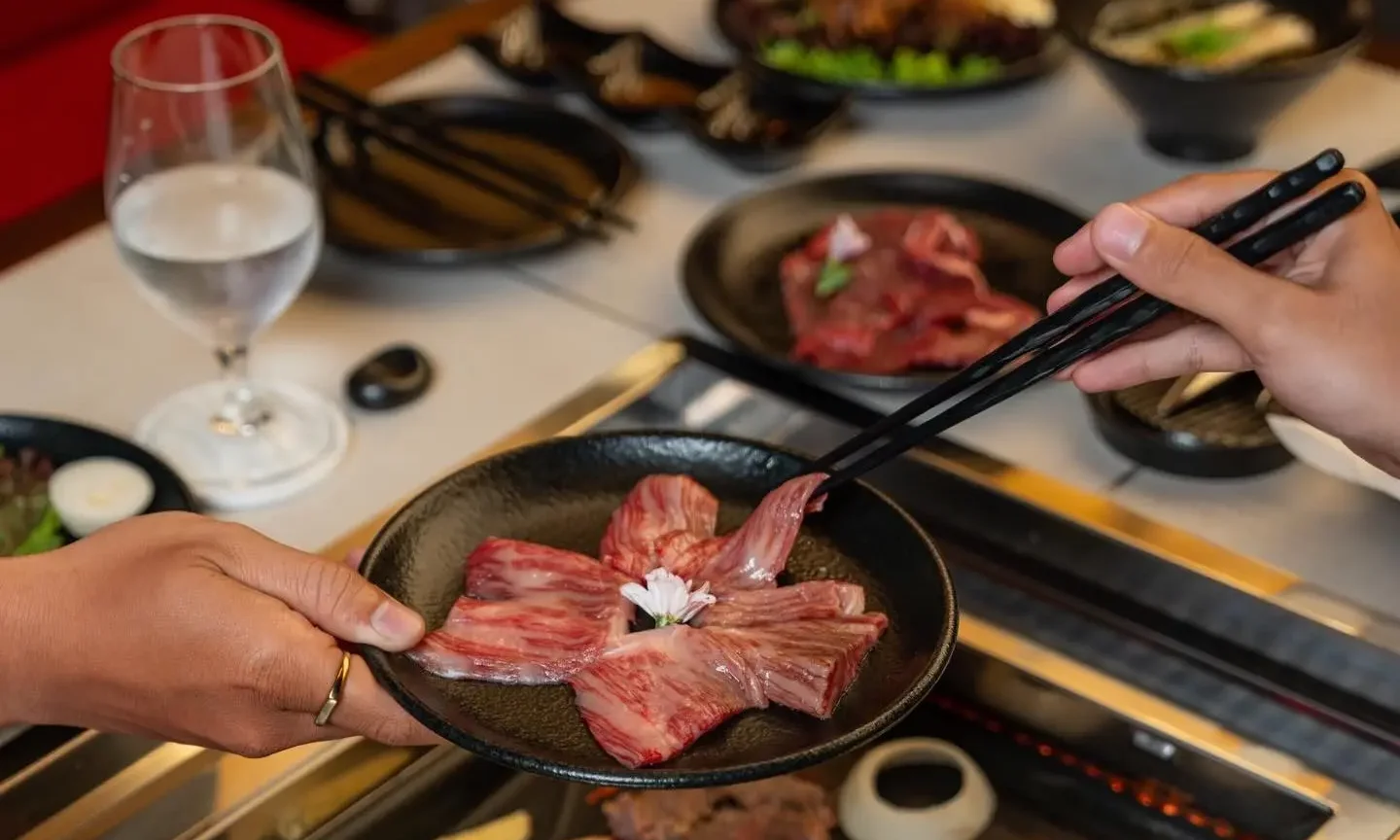
Ambiance and Experience Beyond Aesthetics
Japanese dining ambiance in Ubud is not only about visual design but also about emotional experience. It influences how guests feel during their visit, shaping comfort, relaxation, and engagement.
At Raku Raku Yakiniku, the atmosphere encourages a slower and more mindful dining pace. Guests are able to enjoy their environment without unnecessary distractions, which enhances overall satisfaction. The concept of ambiance and experience is strongly connected to this idea, where dining spaces are expected to provide more than just food service, but also offer emotional and sensory engagement.
Why Ambiance Matters for Japanese Dining in Ubud
Ambiance plays a critical role in shaping how visitors perceive Japanese dining in Ubud. For many travelers, the environment is just as important as the cuisine itself.
A well-designed space enhances comfort, encourages longer stays, and improves overall dining satisfaction. This makes ambiance a key factor in choosing a restaurant, especially in a destination-driven location like Ubud. Ultimately, Japanese dining ambiance in Ubud becomes a defining factor that influences both expectation and experience, making it more than just a visual concept but a full sensory journey.
Conclusion
The Japanese dining ambiance in Ubud represents a balance between cultural authenticity and environmental adaptation. It focuses on simplicity, comfort, and sensory harmony rather than decorative complexity.
At Raku Raku Japanese Yakiniku, this concept is translated into a welcoming and thoughtfully designed space that enhances the overall dining experience. Visitors are encouraged to enjoy not only the food but also the atmosphere that surrounds it. For those seeking a calm and authentic Japanese dining environment in Ubud, this experience offers a compelling option worth exploring.
To fully experience this, visitors are encouraged to plan ahead through the reservations page for easier table arrangements and preferred timing. Additionally, you may visit the location by checking Google Maps, which provides accurate directions and nearby area context.