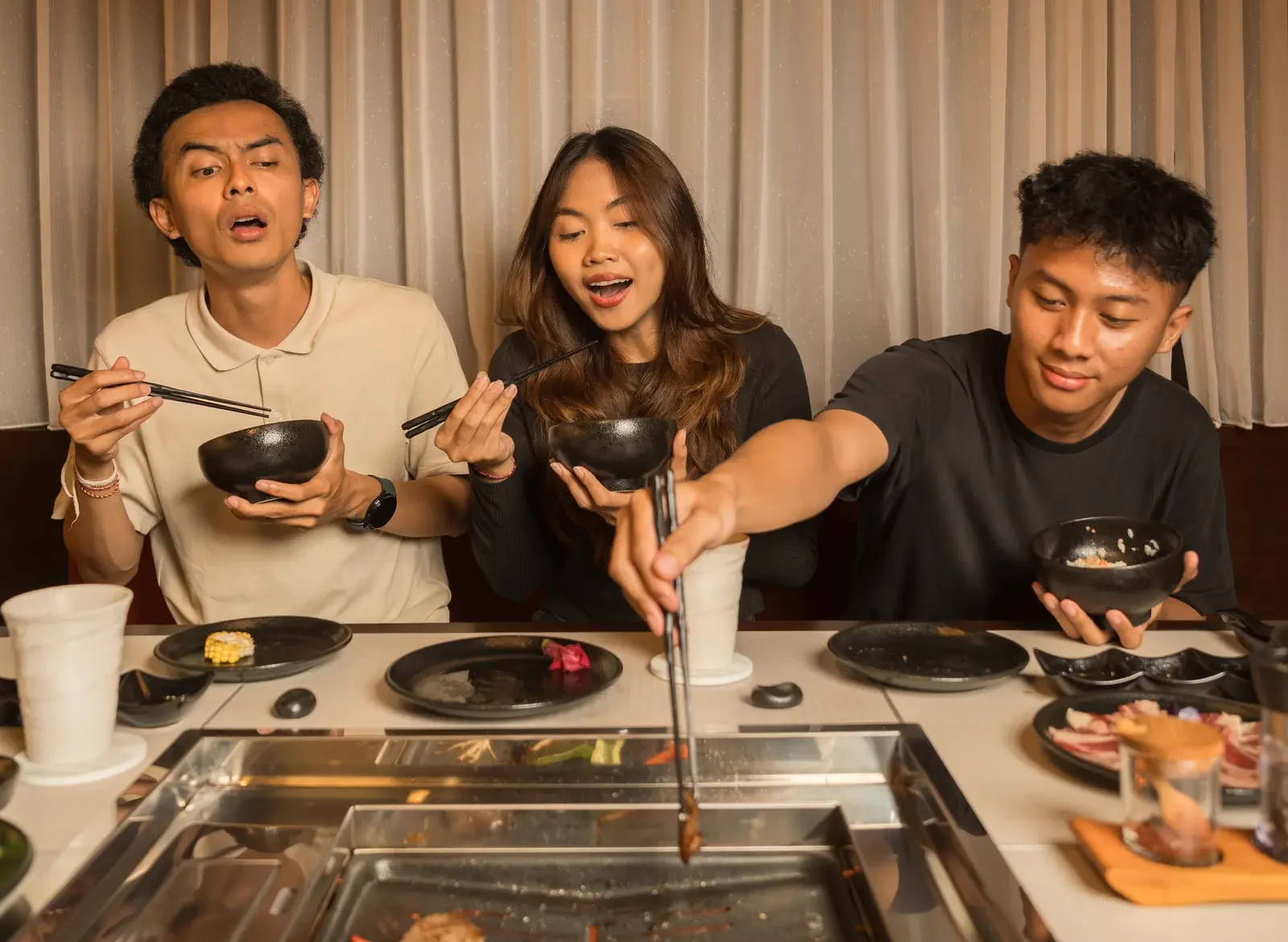
When we think of dining, it goes far beyond simply eating, it becomes an experience shaped by culture, tradition, and human connection. In Ubud, a place known for its artistic heritage and tranquil atmosphere, traditional Japanese dining in Ubud offers something truly unique. It blends the elegance of Japan with Bali’s warm hospitality, creating a culinary journey that is both authentic and immersive.
For travelers and food enthusiasts alike, exploring traditional Japanese dining in Ubud is not just about taste, it’s about understanding the philosophy, rituals, and cultural depth behind every dish.
Understanding the Philosophy of Traditional Japanese Dining
At its core, Japanese cuisine is deeply rooted in values such as harmony (wa), respect, and mindfulness. These principles influence everything, from ingredient selection to presentation and even the way food is consumed.
When experiencing traditional Japanese dining in Ubud, you’ll notice how every detail is intentional. Meals are not rushed; instead, they are designed to be appreciated slowly. This aligns beautifully with Ubud’s own philosophy of mindful living, making the experience feel even more authentic.
Japanese dining emphasizes balance, not only in flavor but also in color, texture, and presentation. This artistic approach transforms each meal into a visual and sensory experience.
The Cultural Significance of Traditional Japanese Dining in Ubud
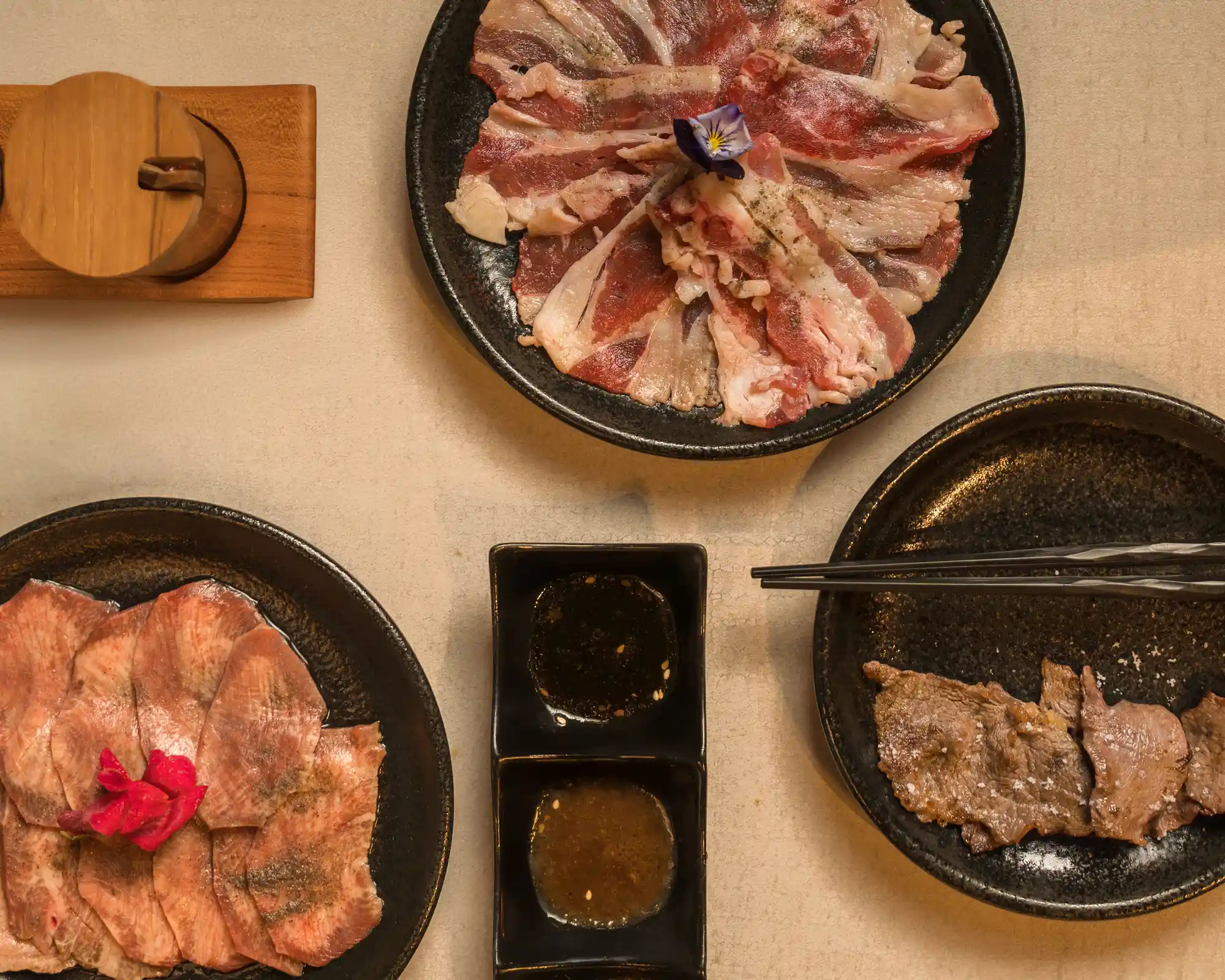
One of the reasons why traditional Japanese dining in Ubud stands out is its dedication to preserving cultural authenticity while adapting to a local setting. Many restaurants carefully incorporate Japanese customs into the dining experience.
- Attention to Detail: Presentation is a key element in Japanese cuisine. Each dish is arranged with precision, reflecting nature and seasonality. This level of craftsmanship highlights the chef’s respect for both the ingredients and the diner.
- Seasonality (Shun): Seasonal ingredients play an essential role in Japanese cooking. Known as shun, this concept ensures that dishes are served at their peak freshness. In Ubud, chefs often combine this philosophy with locally sourced ingredients, resulting in a fresh and unique interpretation of Japanese cuisine.
- Dining Etiquette: From saying “Itadakimasu” before eating to properly using chopsticks, etiquette is an important part of the experience. These small gestures enhance the authenticity of traditional Japanese dining in Ubud and allow diners to connect more deeply with the culture.
- Shared Dining Experience: Many Japanese meals are designed to be shared, encouraging connection and interaction. This communal style blends naturally with Bali’s own dining traditions.
- Mindful Eating: Mindfulness is central to Japanese dining. Guests are encouraged to savor each bite, appreciating the flavors, textures, and aromas. This practice transforms a simple meal into a meaningful experience.
A great example of this cultural immersion can be found at Raku Raku Yakiniku, where the essence of Japanese dining traditions is thoughtfully preserved.
The Fusion of Japanese and Balinese Culinary Traditions
Another reason why traditional Japanese dining in Ubud is so special lies in its cultural fusion. Ubud is known as a global culinary hub, where different traditions meet and evolve.
- Local Ingredients, Japanese Techniques: Chefs often incorporate fresh Balinese ingredients such as seafood, herbs, and vegetables into Japanese recipes. This fusion creates dishes that remain authentic while offering a local twist.
- Cultural Exchange: The presence of international visitors and expatriates in Ubud has encouraged the growth of diverse dining experiences. Japanese cuisine, in particular, has been embraced and adapted while still maintaining its core identity.
- Interactive Culinary Experiences: Some establishments offer workshops like sushi-making or tea ceremonies. These activities provide a deeper understanding of the traditions behind traditional Japanese dining in Ubud, making the experience more engaging and educational.