
The faint sizzle as wagyu touches the grill, the way its marbling softens almost instantly into something deeply satisfying. At Wagyu Yakiniku Restaurant in Ubud, that moment does not happen by accident. What arrives at your table traces back to a single, often overlooked detail that begins long before the grill is even lit, that is how the meat was cut, and when. This is what separates a memorable wagyu yakiniku Ubud experience from an ordinary one.
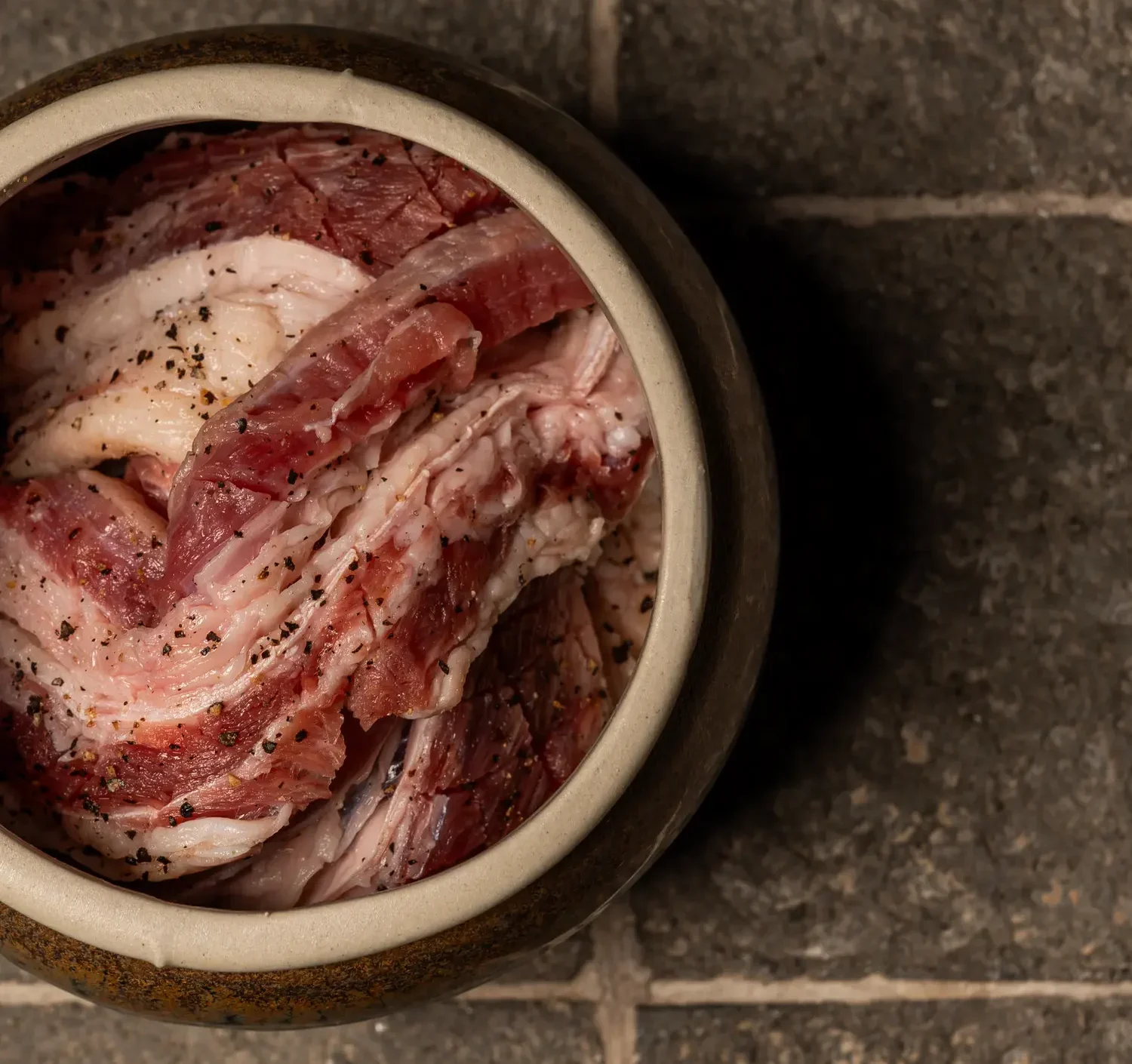
The Role of Fresh Daily Cuts in Premium Wagyu Yakiniku Ubud Experience
Fresh preparation in a serious yakiniku kitchen is not a single action, but a sequence. The day starts with the meat coming out of cold storage at the right temperature, rested just enough for the fat to settle without warming too quickly. Each piece is assessed individually, whether its grain direction, the distribution of marbling, the thickness it will need depending on how it will be grilled.
Only then does the cutting begin, whether by hand, by machine, or a deliberate combination of both. This is precisely what defines the wagyu yakiniku Ubud diners have come to recognize as the standard: evenly sliced, marbling intact, served at the precise moment it is at its best.
At Raku Raku Yakiniku, this is not a behind-the-scenes detail. It is the foundation of what “We do the slicing. You do the grilling.” actually means. A quiet promise that by the time the grill is yours, the hardest work has already been done.
Meat Slicer vs Hand Cut: How Wagyu Is Prepared Before It Reaches Your Grill
Not every cut of wagyu arrives at your grill the same way, and that difference is intentional. The meat slicer vs hand cut decision is one that every serious wagyu yakiniku Ubud kitchen makes deliberately, guided by what each piece of meat actually requires that day. Understanding these two approaches helps explain why the experience at the table feels the way it does.
What a Meat Slicer Does for Consistency
For a yakiniku kitchen serving multiple tables through a full evening, consistency is a necessity, and meat slicer delivers exactly that. Each pass of the blade produces cuts of near-identical thickness, which means every piece on your grill behaves the same way: same heat exposure, same timing, same result.
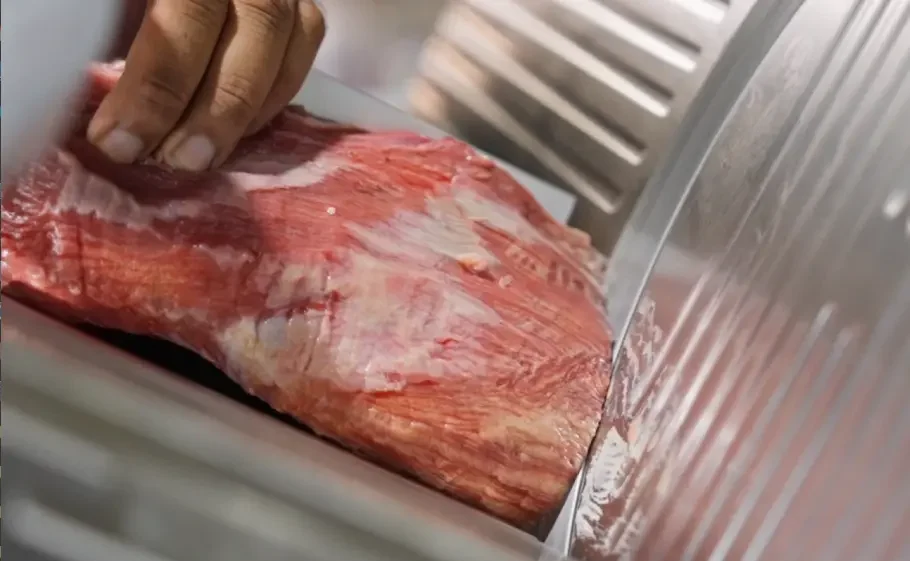
For certain cuts, a slicer is the more dependable tool:
- Uniform thickness across every slice ensures even cooking on the grill — no piece finishes ahead of another
- High-volume efficiency keeps preparation moving at the pace a full-service kitchen demands without sacrificing output quality
- Repeatability removes the variable of human fatigue, particularly useful for cuts where precise thinness is the priority
That said, wagyu is not standard beef. The marbling that makes it exceptional is also what makes it sensitive, so blade pressure and machine temperature need to be carefully controlled. Too much force or warmth during slicing, and the fat structure begins to compromise before the meat ever reaches your table.
Why Hand Cutting Matters for Premium Wagyu Yakiniku Ubud
A chef’s hand does something no machine can replicate: it reads the meat in real time. The grain direction, the distribution of marbling across a particular section, the subtle variation in density from one end of the cut to the other. these are things a skilled hand responds to instinctively, adjusting angle and pressure with every stroke.
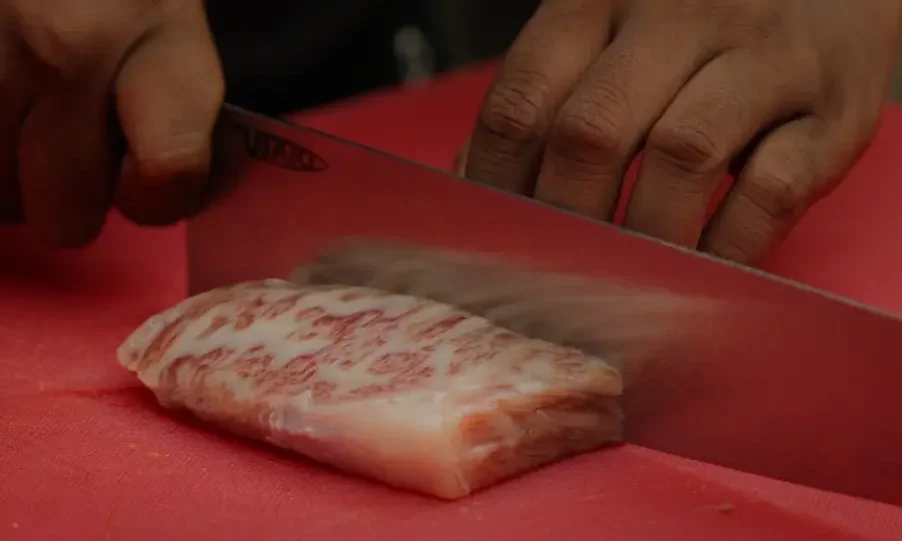
This matters most with premium wagyu, where the stakes of a wrong cut are highest:
- Against-the-grain precision preserves the integrity of intramuscular fat, the defining factor behind that characteristic melt-in-the-mouth texture
- Adaptive pressure protects the marbling structure that a machine blade cannot account for when density shifts mid-cut
- Real-time adjustment allows the chef to respond to each unique piece rather than applying a fixed mechanical setting across all cuts
A hand-cut slice of wagyu behaves differently under heat, and ultimately tastes different in the way that actually counts. In a serious wagyu yakiniku Ubud kitchen, hand cutting is not a stylistic choice or a nod to tradition. It is a quality standard that reflects a direct understanding of how wagyu cutting technique shapes everything that follows.
The Method Behind the Meal
Whether the kitchen reaches for a slicer, a knife, or a deliberate combination of both, the deciding factor is what the meat calls for. Premium wagyu demands to be read, not just processed. Every Japanese restaurant in Ubud that takes wagyu seriously understands this distinction, and the method chosen on any given day speaks directly to that commitment.
This is what makes the preparation stage inseparable from the dining experience itself. By the time a perfectly sliced piece of wagyu arrives at your grill, a series of careful, considered decisions has already been made on your behalf. In that sense, the meal begins not at the table, but at the very first cut of the day.
What to Look for When Choosing a Wagyu Yakiniku Restaurant in Ubud
The quality of wagyu yakiniku Ubud is often visible before the first bite, if you know where to look. Choosing the right restaurant for your dining experience can significantly impact your meal. And so, here are some essential factors for you to consider:
- Quality of Meat: Look for restaurants that offer premium wagyu cuts. The best establishments will source their beef from reputable suppliers, ensuring that you receive the freshest and most flavorful cuts available.
- Dining Atmosphere: The ambiance of the restaurant can greatly enhance your experience. Look for places that offer a cozy yet elegant atmosphere, where you can enjoy your meal in comfort.
- The Range and Clarity of the Menu: A thoughtfully constructed menu says as much about a restaurant as the food itself. If you want to explore what a serious wagyu yakiniku menu looks like before you visit, browsing the full menu is always a good place to start.
- Look at What Other Diners are Saying: Reviews and social media are the window into a restaurant’s consistency. Diners who mention the quality of the meat, the freshness of each cut, or the attentiveness of preparation are describing something that cannot be staged. Moreover, a Japanese restaurant Ubud that is confident in their craft tend to share the process on their social media.
By considering these factors, you can ensure that your visit to a wagyu yakiniku restaurant in Ubud is nothing short of exceptional.
Final Thoughts
Choosing the right wagyu yakiniku Ubud restaurant can profoundly impact your dining experience. Fresh daily cuts, expert wagyu cutting techniques, and a welcoming atmosphere are essential factors to consider.
At Raku Raku Yakiniku, you can expect all this and more. To indulge in premium wagyu and enjoy an exceptional dining experience, book your table grill today. Don’t miss the chance to visit Raku Raku for a culinary adventure that you won’t forget!