
In recent years, Ubud has developed into a destination where sustainability is no longer a secondary consideration, but a defining expectation that influences how restaurants operate and deliver value to increasingly conscious diners.
Within this evolving landscape, sustainable practices in Japanese restaurants Ubud have become a key reference point in understanding how traditional culinary philosophy adapts to modern environmental responsibility.
These sustainable practices in Japanese restaurants Ubud shape not only operational decisions but also the overall structure of eco-friendly dining experiences in the region.
The Role of Japanese Philosophy in Sustainable Dining
Sustainability in Japanese cuisine is deeply rooted in long-standing cultural values that emphasize respect for ingredients and mindful resource use. In the context of sustainable practices in Japanese restaurants Ubud, these values are not treated as abstract ideals but are actively translated into daily kitchen behavior and menu design.
This perspective shapes not only how dishes are constructed, but also how ingredients are selected and treated, creating a foundation where sustainability becomes an extension of culinary discipline rather than an external obligation.
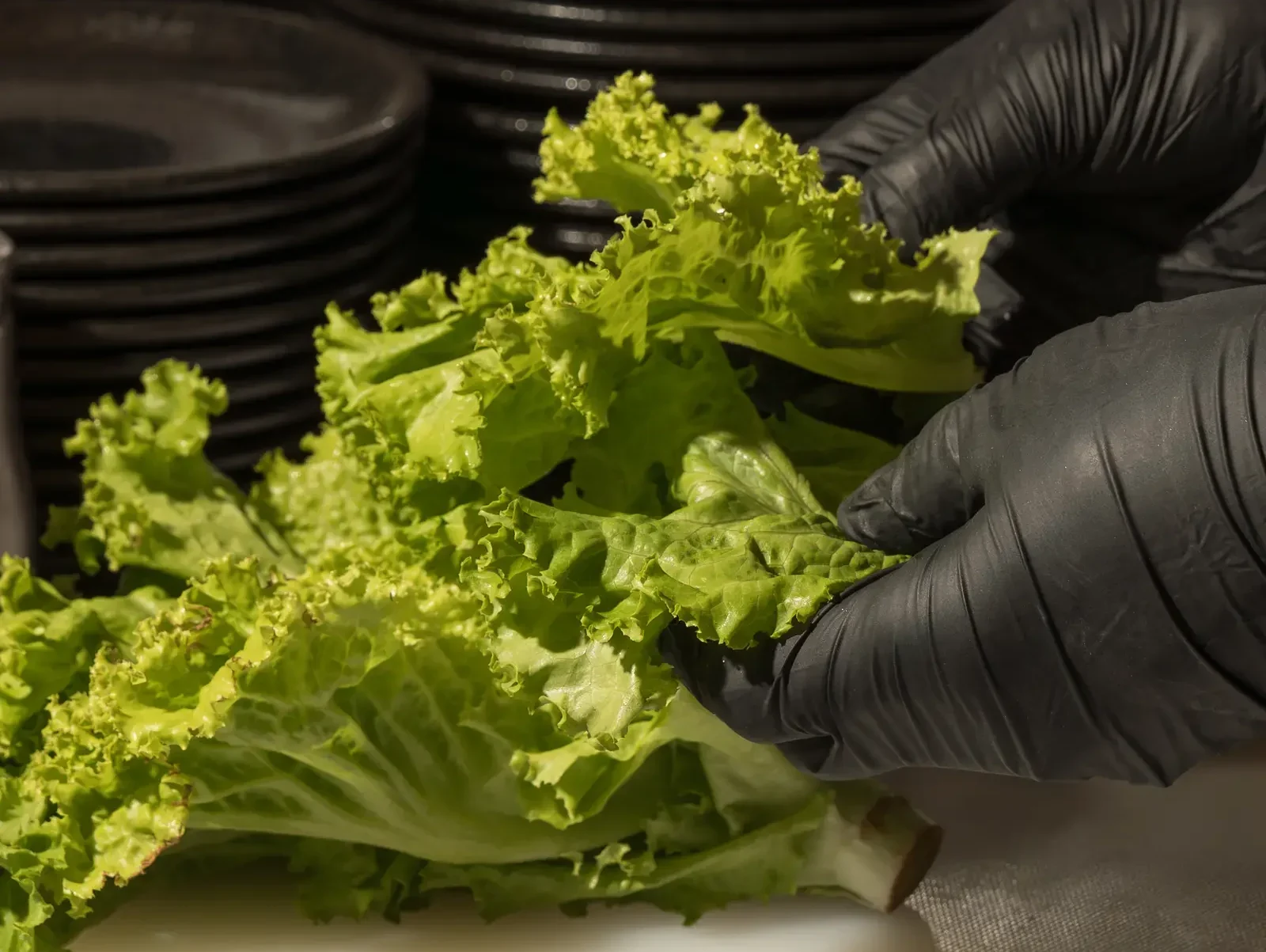
Sustainable Practices in Japanese Restaurants Ubud Through Local Sourcing and Seasonal Ingredients
One of the most visible expressions of sustainable practices in Japanese restaurants Ubud is the shift toward local sourcing, which directly influences both environmental impact and culinary adaptation. By integrating locally sourced fish, vegetables, and herbs, restaurants reduce reliance on imported goods while supporting regional producers and maintaining ingredient freshness.
This approach aligns closely with the principle of shun, where ingredients are selected at their peak condition, requiring chefs to continuously adapt their menus based on seasonal availability. Rather than replicating fixed traditional dishes, this method encourages reinterpretation, allowing Japanese cuisine to evolve within the ecological context of Bali.
Minimal Waste Cooking as an Operational Practice
Minimal waste cooking is another core element of sustainable practices in Japanese restaurants Ubud, reflecting efficiency principles that originate from traditional Japanese culinary discipline. Sustainability is further reinforced through kitchen operations that prioritize efficiency and resource optimization, reflecting traditional Japanese techniques that aim to extract maximum value from every ingredient used.
- Vegetable trimmings are repurposed into broths or sauces, extending their utility beyond primary dishes while maintaining depth of flavor.
- Fish bones and less prominent cuts are transformed into stocks, ensuring that core ingredients are utilized fully rather than discarded prematurely.
- Menu planning is adjusted based on available inventory, reducing excess purchasing and minimizing the risk of unused ingredients.
These practices demonstrate that sustainability is not limited to sourcing decisions, but is embedded in the operational systems that govern how food is prepared and managed on a daily basis.
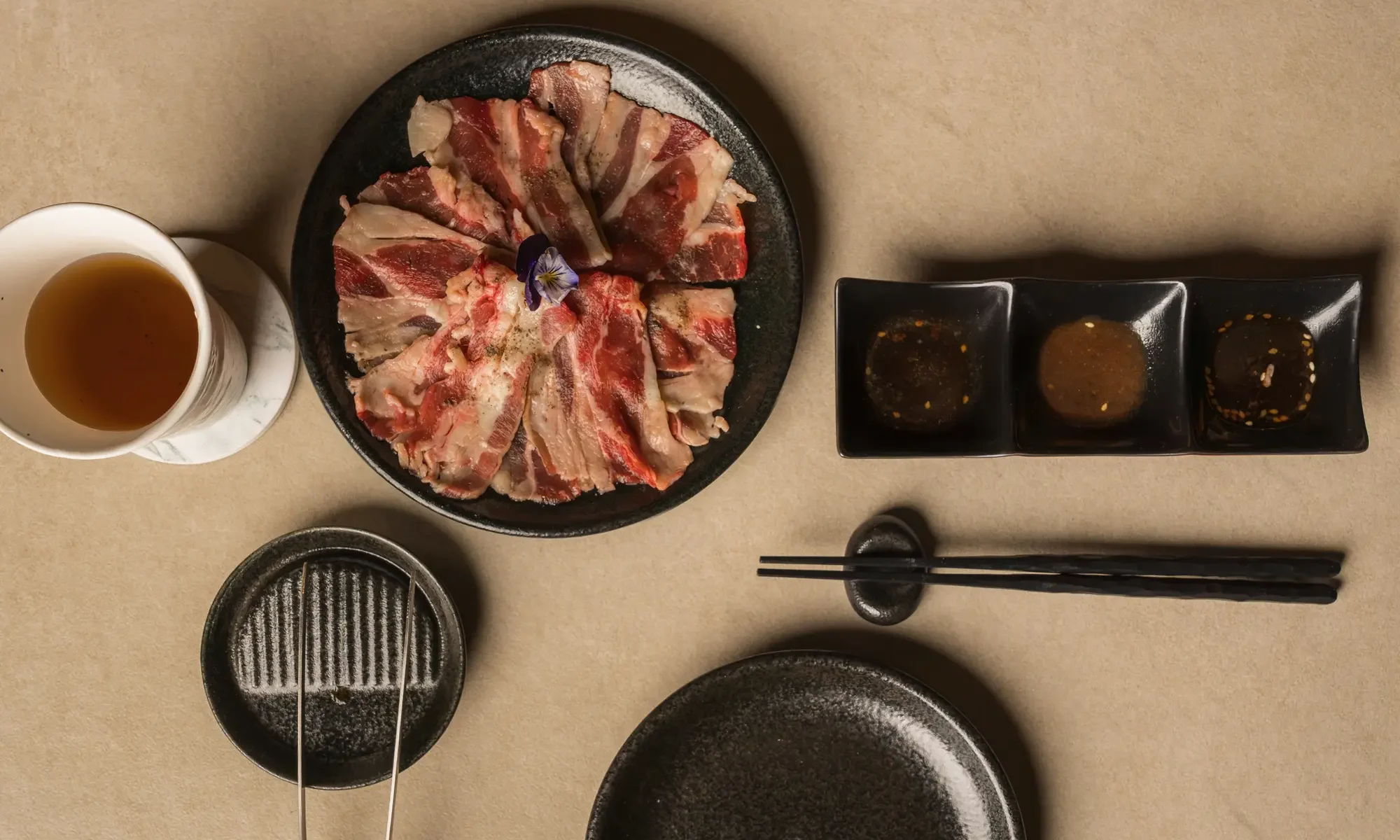
Balancing Authenticity and Sustainability
Balancing authenticity and sustainability is a defining challenge within sustainable practices in Japanese restaurants Ubud, particularly when ingredient availability does not align with traditional Japanese standards. Chefs must make strategic decisions about substitutions and reinterpretations, ensuring that the essence of Japanese cuisine is maintained even when exact replication is not possible.
This dynamic creates a distinctive dining identity, where authenticity is defined not by strict adherence to original ingredients, but by the preservation of technique, presentation, and underlying philosophy, resulting in an experience that feels both familiar and contextually relevant.
Experiencing Sustainable Japanese Dining in Ubud
For diners engaging with sustainable practices in Japanese restaurants Ubud, understanding how sustainability is implemented in real operations enhances both expectation and dining interpretation. At establishments such as Raku Raku Yakiniku, this approach is reflected in how sourcing decisions, seasonal adjustments, and kitchen practices are integrated into daily operations rather than presented as separate initiatives.
- Exploring the restaurant’s official website provides insight into its concept, sourcing philosophy, and how local ingredients are integrated into Japanese cuisine.
- Reviewing the menu in advance allows diners to anticipate seasonal variations and better understand how dishes are adapted based on ingredient availability.
- Making a reservation ahead of time helps ensure a smoother dining experience, particularly during peak hours when demand is higher.
- Contacting the restaurant directly can be useful for specific inquiries, including dietary preferences or group arrangements.
- Checking the exact location on Google Maps before visiting helps streamline navigation, especially within Ubud’s complex layout.
By approaching the dining experience with this level of awareness, visitors can better appreciate how sustainable practices in Japanese restaurants Ubud shape each layer of the culinary process.
Ultimately, sustainable practices in Japanese restaurants Ubud reflect a broader shift in how dining is perceived, where value extends beyond taste to include origin, preparation, and environmental impact.
This integration of philosophy, local sourcing, and operational discipline creates a more meaningful dining experience, particularly for those who seek both quality and responsibility in their choices.
Plan Your Visit to Complete Your Culinary Journey
For those interested in exploring this approach further, additional insight into the restaurant’s concept and menu philosophy can be obtained by reaching out directly through contact, offering a clearer perspective before visiting.
Planning ahead through a reservation can also help ensure a smoother experience, especially during peak hours, while direct contact remains available for more specific inquiries.
To avoid unnecessary delays, checking the exact location on Google Maps beforehand can make navigating Ubud significantly easier.