
Umami flavors in Japanese cuisine are the reason a simple bowl of broth or a seared slice of beef can taste so deeply satisfying. Umami is the savory fifth taste, and Japanese cooks have built whole traditions around it. This guide explains where umami comes from, how fire and fermentation bring it out, and how to notice it at the table at Raku Raku Yakiniku.
Umami Flavors in Japanese Cuisine

The Fifth Taste
Umami is the savory taste that sits beside sweet, sour, salty, and bitter. Japanese chemist Kikunae Ikeda identified it in 1908 while studying kombu broth, and he named it after the Japanese word for delicious. The taste feels round and mouthwatering, and it tends to linger on the tongue long after you swallow.
Where Umami Comes From
Umami comes from natural compounds such as glutamate, which build up in certain foods as they dry, age, or ferment. Kombu, dried bonito flakes, shiitake mushrooms, soy sauce, and miso are all classic sources. Even a ripe tomato carries some, which is why the idea feels familiar the first time you hear it.
Common sources in Japanese kitchens include:
- Kombu, a dried sea kelp used to make broth.
- Katsuobushi, shaved and dried bonito.
- Shiitake, especially when dried.
- Soy sauce and miso, both made through fermentation.
Why Dashi Works So Well
Dashi, the pale broth behind miso soup and many noodle dishes, shows umami at its simplest. Kombu supplies glutamate, while dried bonito adds another compound called inosinate. When the two meet, the savory effect is far stronger than either one alone, which is why cooks pair them so often.
That habit of layering is at the heart of Japanese cooking. Instead of adding many strong flavors, cooks stack a few gentle ones until the dish tastes complete.
Tasting Umami at the Grill
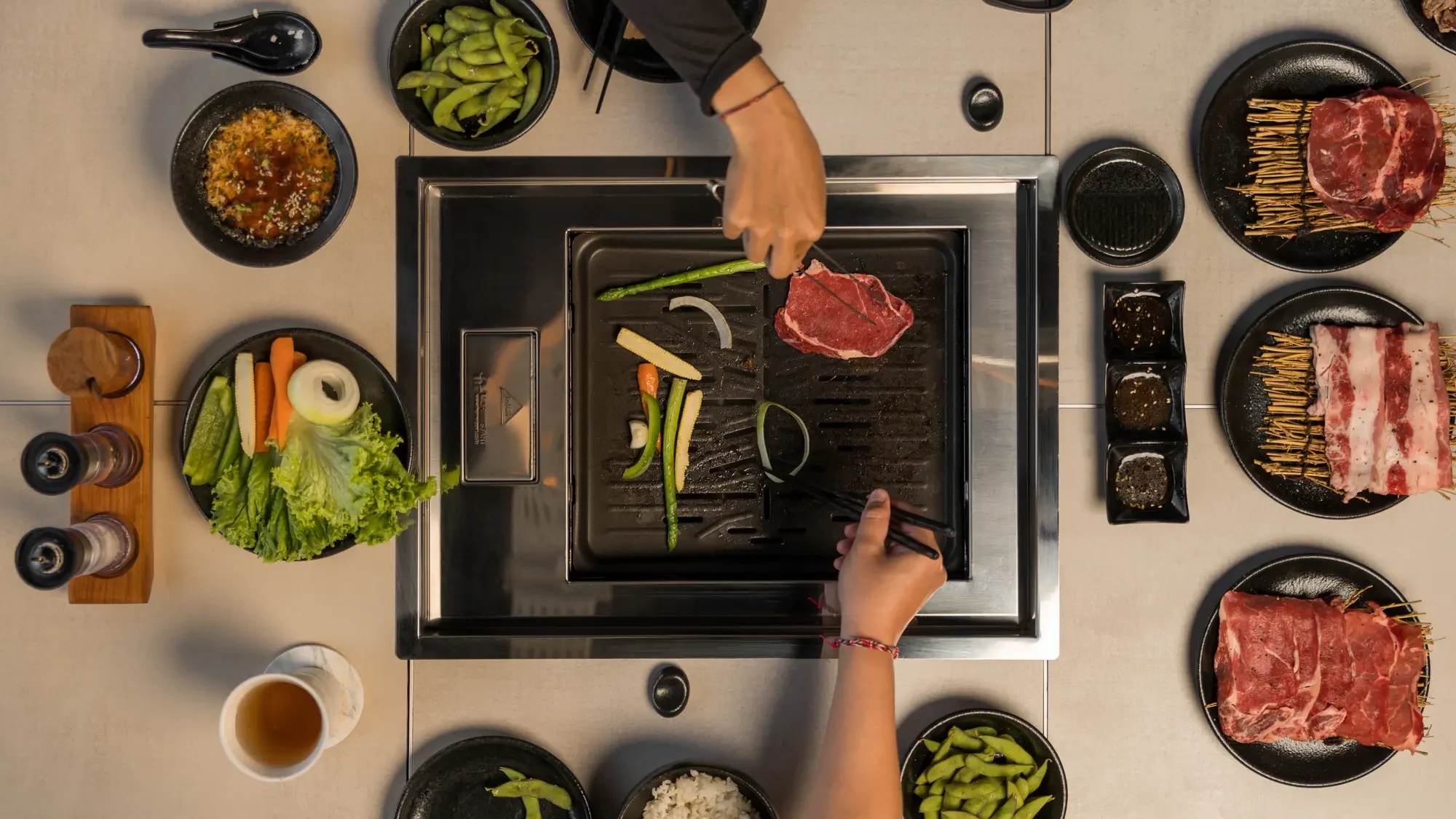
Fire Builds Savory Depth
Grilling does more than cook meat. High heat browns the surface and creates savory aroma compounds that were not there before, adding a deeper, toastier layer on top of the beef’s natural richness. This is why even a few seconds on a hot grill can change how a slice tastes.
Pulling a slice off just as it browns keeps the inside tender and the flavor focused.
Salt and Sauce as Supporting Cast
A pinch of salt sharpens the savory notes already in the meat, while a soy-based dipping sauce adds a sweet and salty counterpoint that makes umami feel fuller. Neither should drown the beef. The best approach is to taste a bite plain, then try it with a little seasoning and compare.
Sides That Echo the Flavor
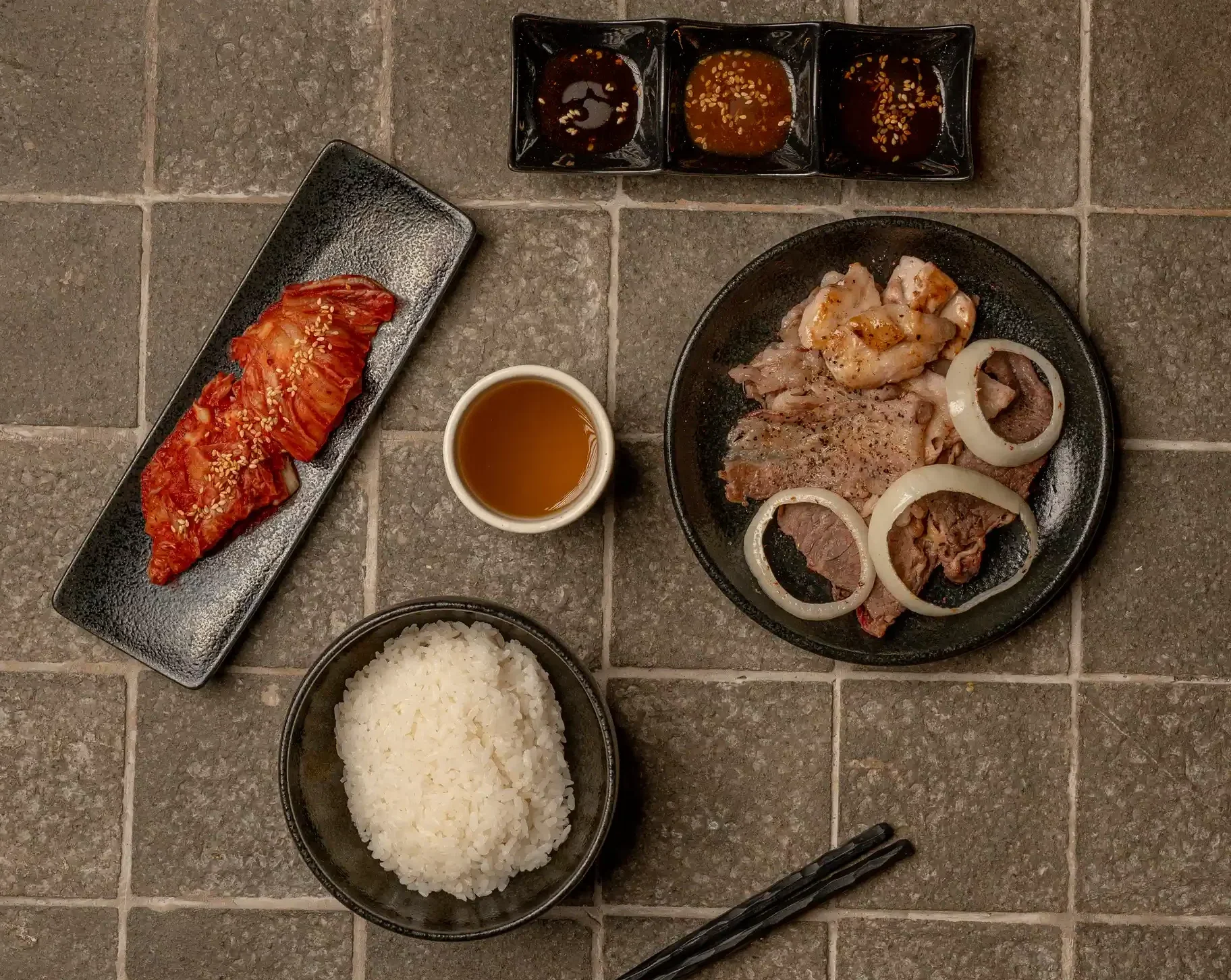
Fermented foods such as kimchi carry their own savory depth, and a warm bowl of soup brings a gentler version of the same note. Placed beside grilled meat, these sides echo the flavor in a different key, which keeps each round interesting instead of repetitive. Rice completes the picture by soaking up every savory drop.
Pairing to Amplify Umami
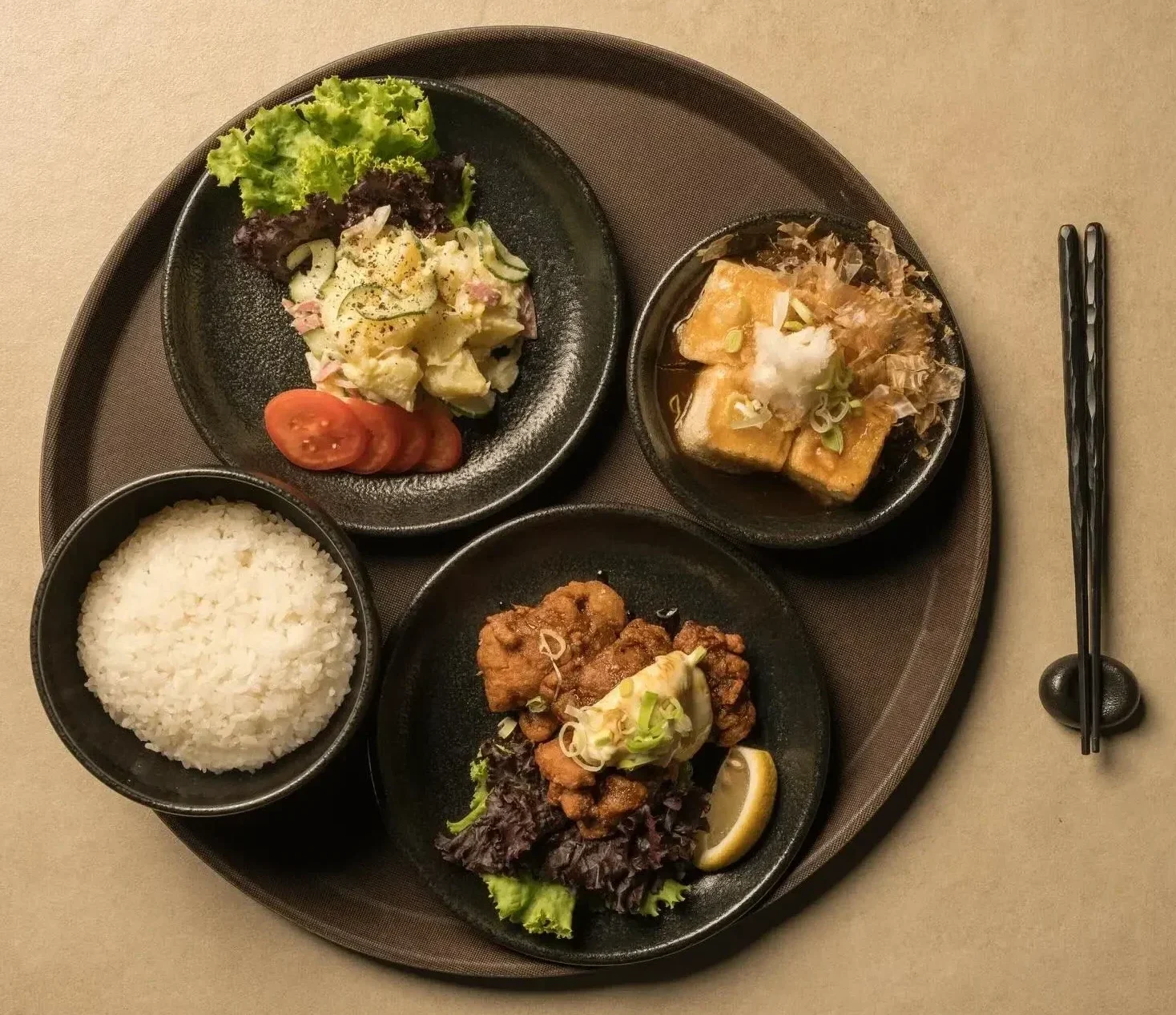
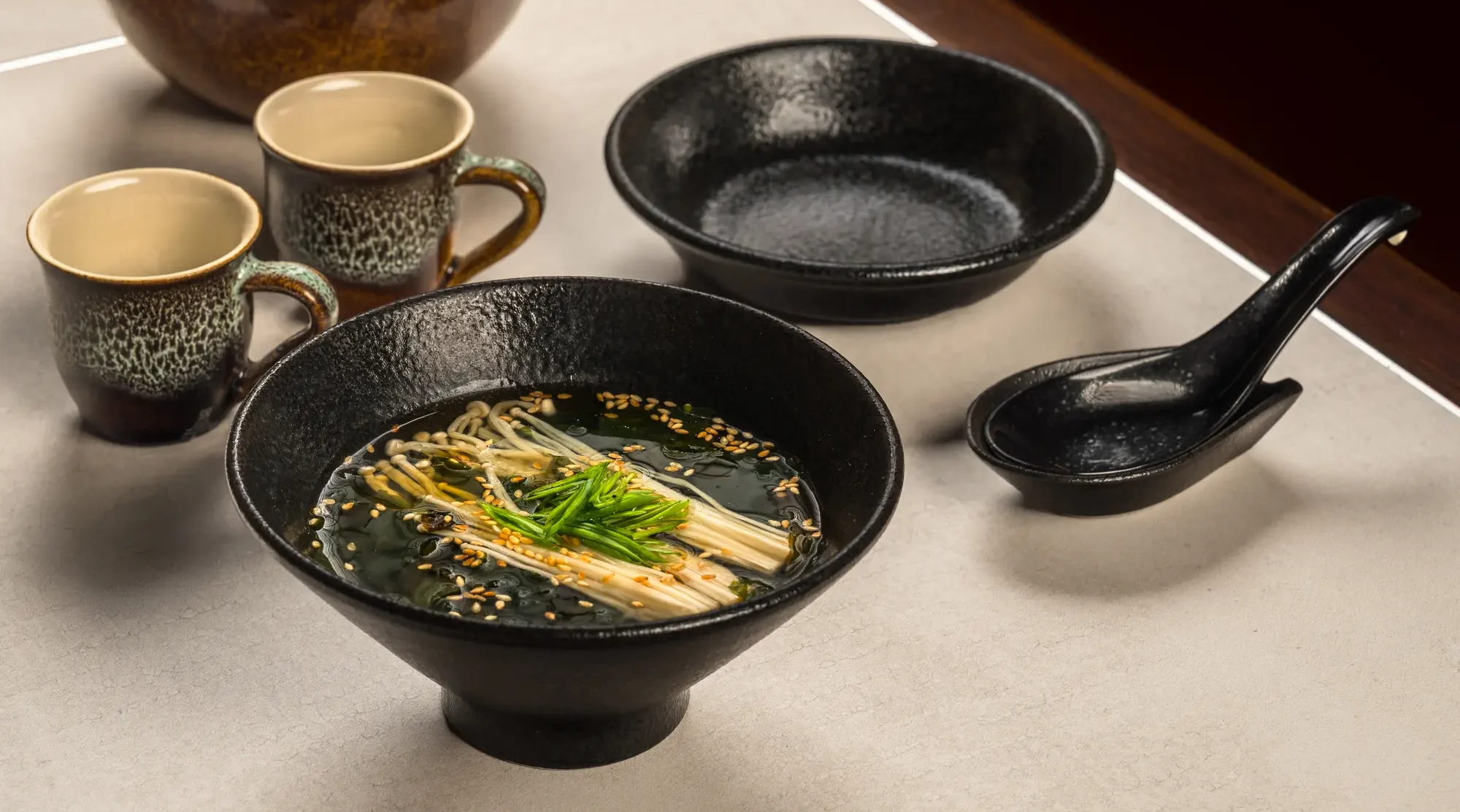
Umami loves company. A rich bite of beef feels even better next to something fresh or crisp, and a light dessert resets the palate afterward. For ideas on building a balanced order, read about simple ways to pair Japanese dishes at the table.
What helps umami shine:
- Fresh vegetables for contrast.
- Steamed rice to soak up flavor.
- Small portions between rounds, so each bite stays vivid.
Wagyu and Its Savory Depth
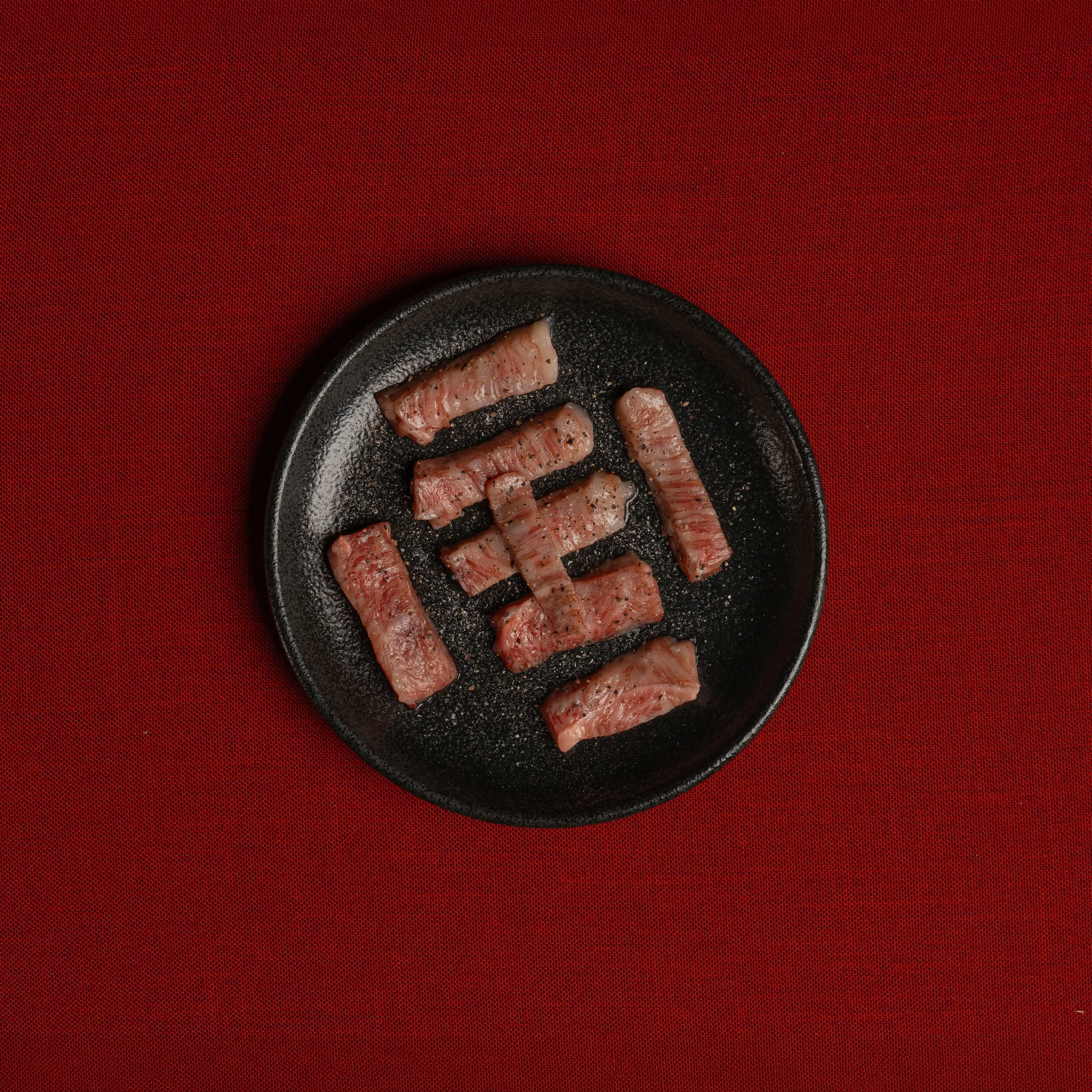
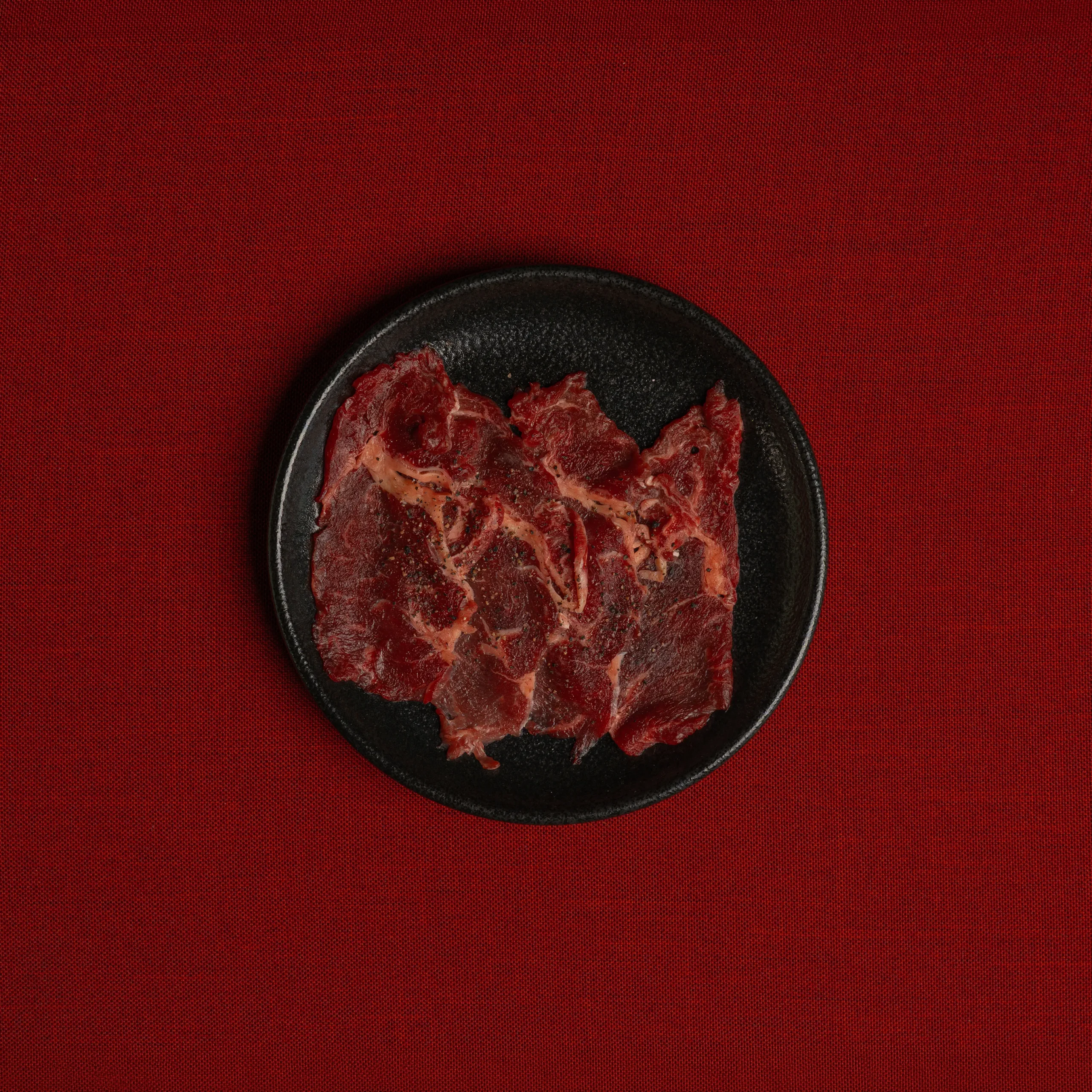
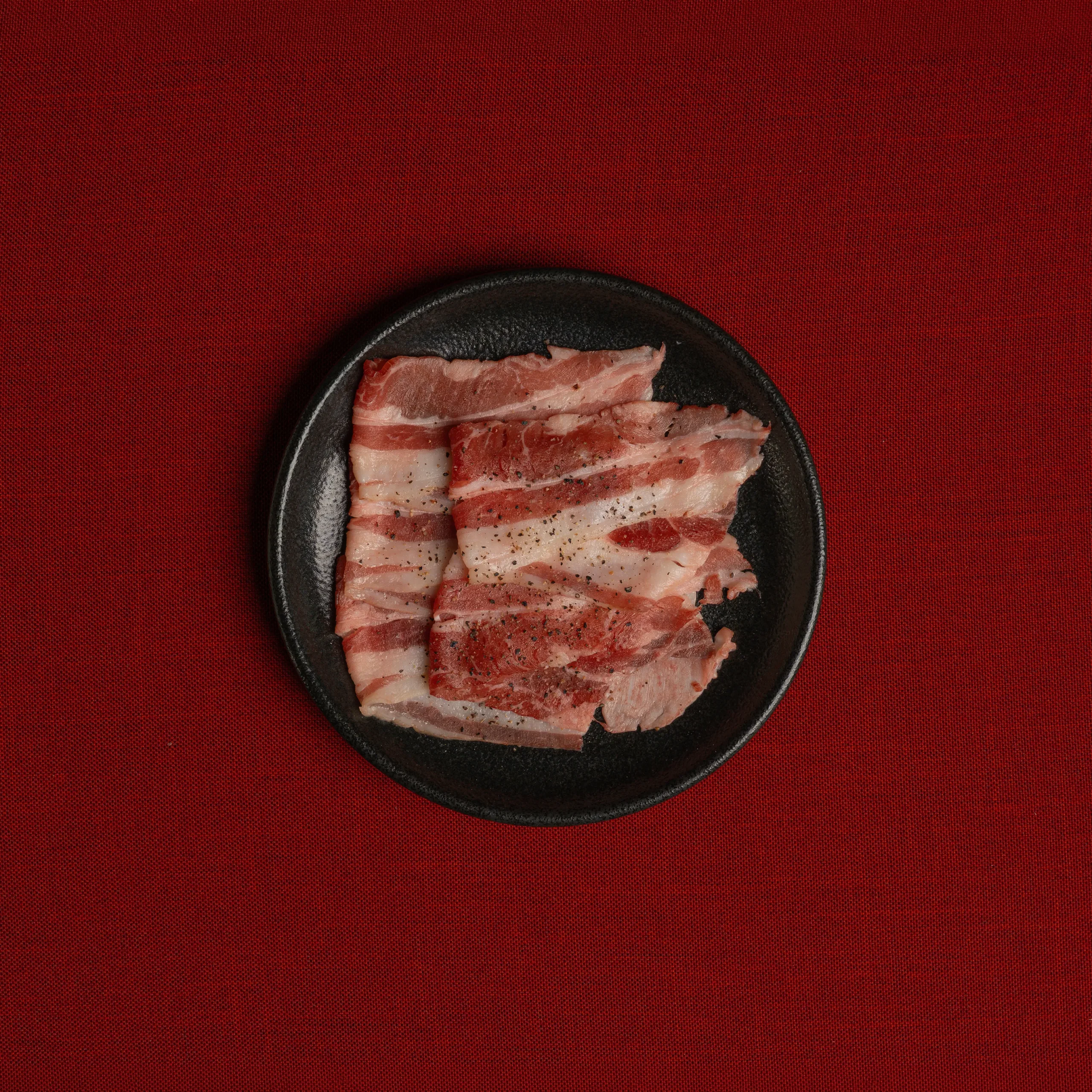
Rich, well-marbled beef is often described as a showcase for umami, since its fat carries flavor across the tongue. Take small bites and let each one rest before the next. If you want to know what makes premium beef so special, read what to know about Omi Wagyu before your first bite.
Taste Umami Flavors in Japanese Cuisine
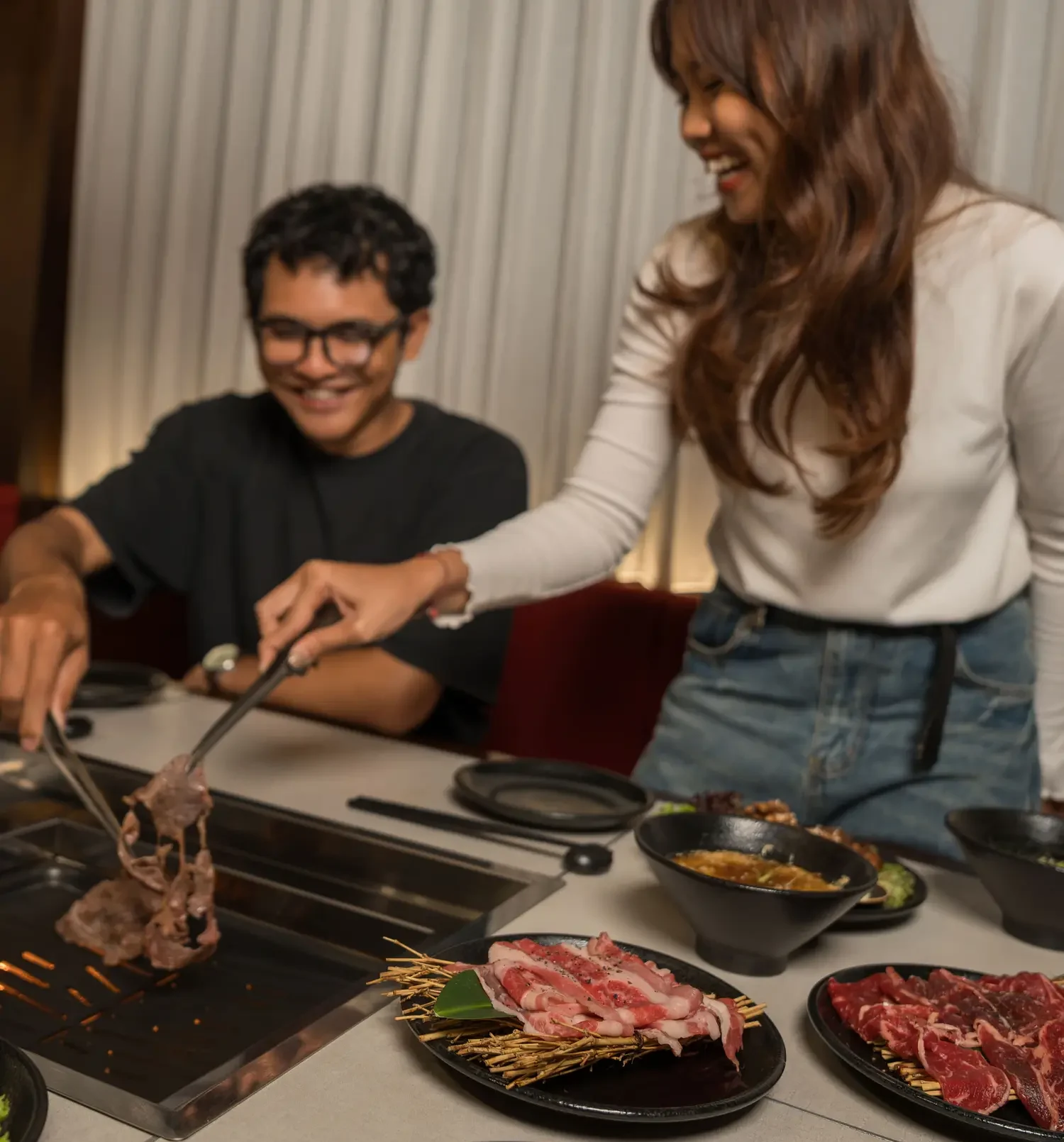
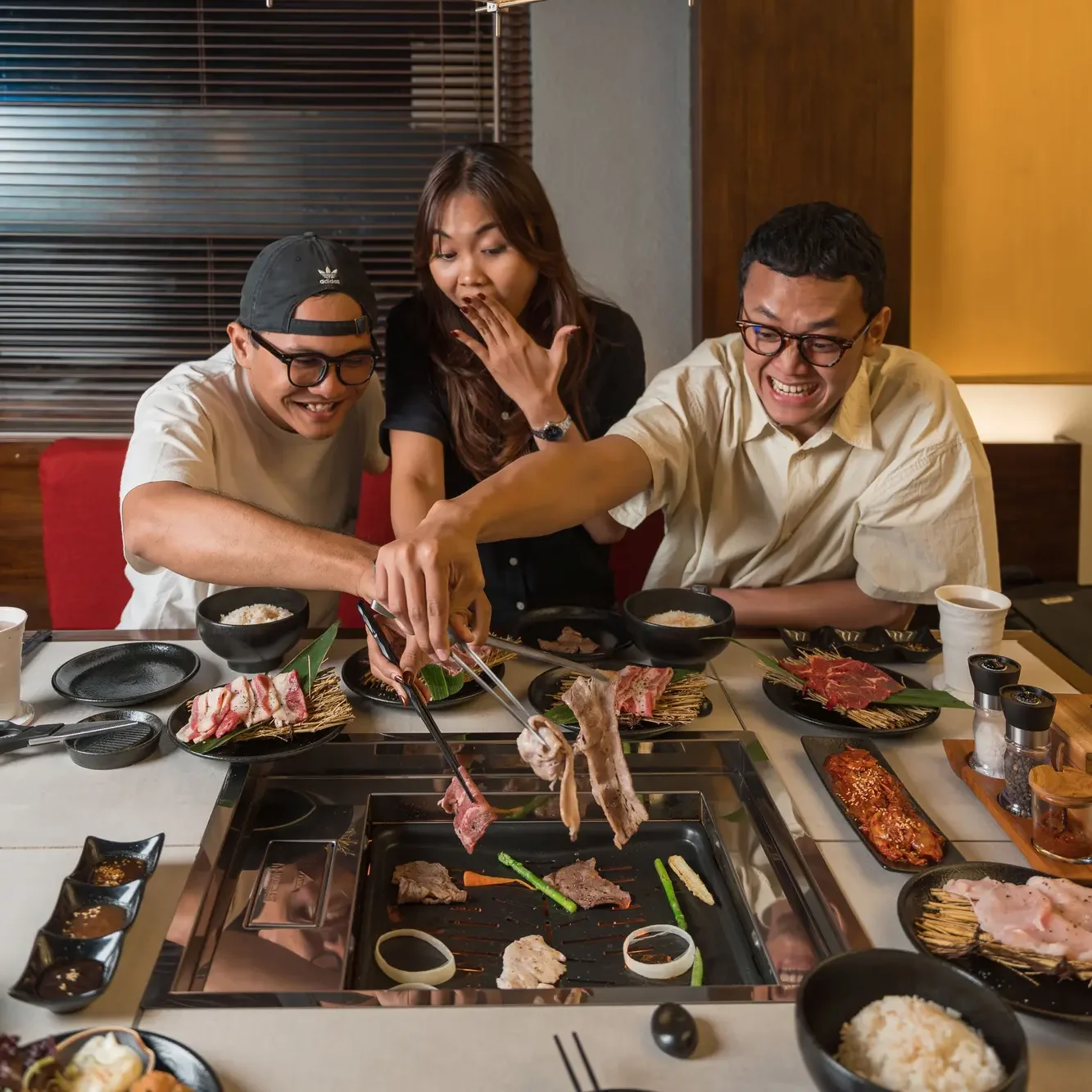
You do not need special training to notice umami. A few habits help:
- Slow down and let each bite rest on your tongue.
- Compare a plain bite with a lightly seasoned one.
- Add a spoonful of rice and see how it rounds out the flavor.
- Raku Raku Yakiniku is on the second floor of Raku Plaza and opens daily from 15.00 to 23.00.
- Reserve ahead if you are coming with a group.
Savor the Flavor at Raku Raku

Once you start noticing umami flavors in Japanese cuisine, every meal becomes a little more interesting, from the first sip of broth to the last bite off the grill. A table with a hot grill is one of the easiest places to practice.
Ready to taste it yourself? Three easy steps:
- Arrange a table online so your evening starts smoothly.
- Stop in at 2nd Floor, Raku Plaza, Ubud District, Gianyar Regency, Bali.
- Follow @rakurakuubud on Instagram for fresh photos and updates.
Umami is the quiet reason a meal lingers in your memory. Slow down, take another bite, and let the flavor do the talking.